
-
×
 Advanced Overage Bootcamp - All Things Overages
1 × 209,00 $
Advanced Overage Bootcamp - All Things Overages
1 × 209,00 $ -
×
 Developing a Social Media Strategy for Photographers with Colby Brown
1 × 5,00 $
Developing a Social Media Strategy for Photographers with Colby Brown
1 × 5,00 $ -
×
 Academy Of Excellence with Harbonator
1 × 5,00 $
Academy Of Excellence with Harbonator
1 × 5,00 $ -
×
 Make Compelling Videos That Go Viral - Marques Brownlee
1 × 6,00 $
Make Compelling Videos That Go Viral - Marques Brownlee
1 × 6,00 $ -
×
 SEALFIT Grinder PT with SEALFIT
1 × 5,00 $
SEALFIT Grinder PT with SEALFIT
1 × 5,00 $ -
×
 Assessment & Treatment of Lumbar Spinal Stenosis Using Electro-Acupuncture - Anthony Lombardi
1 × 46,00 $
Assessment & Treatment of Lumbar Spinal Stenosis Using Electro-Acupuncture - Anthony Lombardi
1 × 46,00 $ -
×
 Intro to Home Recording with Zach Varnell
1 × 5,00 $
Intro to Home Recording with Zach Varnell
1 × 5,00 $ -
×
 Niche Domination Prodigy
1 × 5,00 $
Niche Domination Prodigy
1 × 5,00 $ -
×
 Print and Product Selling Guide with Twig & Olive
1 × 5,00 $
Print and Product Selling Guide with Twig & Olive
1 × 5,00 $ -
×
 Traffic Stream with Fergal Downes
1 × 5,00 $
Traffic Stream with Fergal Downes
1 × 5,00 $ -
×
 Evolution of Man Program: How To Finally Get In Touch With Your True And Stunningly Powerful Male Sexuality - Sean Messenger
1 × 5,00 $
Evolution of Man Program: How To Finally Get In Touch With Your True And Stunningly Powerful Male Sexuality - Sean Messenger
1 × 5,00 $ -
×
 The Minimalist Training System with Wanhee Kim
1 × 78,00 $
The Minimalist Training System with Wanhee Kim
1 × 78,00 $ -
×
 Traktor Pro Advanced Techniques with Nick Trikakis
1 × 5,00 $
Traktor Pro Advanced Techniques with Nick Trikakis
1 × 5,00 $ -
×
 SEO That Works 4.0 with Brian Dean
1 × 5,00 $
SEO That Works 4.0 with Brian Dean
1 × 5,00 $ -
×
 Media Buyer’s Toolkit
1 × 5,00 $
Media Buyer’s Toolkit
1 × 5,00 $ -
×
 Decision Making and Emotions - Bart Shultz
1 × 39,00 $
Decision Making and Emotions - Bart Shultz
1 × 39,00 $ -
×
 DeluxeBundle Podcast Collection (Womanizers Bible) with Nick Krauser
1 × 5,00 $
DeluxeBundle Podcast Collection (Womanizers Bible) with Nick Krauser
1 × 5,00 $ -
×
 Ultimate Artist: Enhance Your Creativity, Increase Your Creative Output
1 × 15,00 $
Ultimate Artist: Enhance Your Creativity, Increase Your Creative Output
1 × 15,00 $ -
×
 Smart Forex Solutions College Program
1 × 5,00 $
Smart Forex Solutions College Program
1 × 5,00 $ -
×
 Power of 2 Marriage Skills Workshop with Susan Heitler & Abigail Hirsch
1 × 8,00 $
Power of 2 Marriage Skills Workshop with Susan Heitler & Abigail Hirsch
1 × 8,00 $ -
×
 Salvador Minuchin on Family Therapy with Jay Lappin & Salvador Minuchin
1 × 8,00 $
Salvador Minuchin on Family Therapy with Jay Lappin & Salvador Minuchin
1 × 8,00 $ -
×
 The Silverback Seduction System by Shane Stanfield
1 × 5,00 $
The Silverback Seduction System by Shane Stanfield
1 × 5,00 $ -
×
 Hypnotic Seduction by George Hutton
1 × 20,00 $
Hypnotic Seduction by George Hutton
1 × 20,00 $ -
×
 Roleta Guard with Leandro Slaib
1 × 6,00 $
Roleta Guard with Leandro Slaib
1 × 6,00 $ -
×
 Ormus Protocol (Advanced) by Spirituality Zone
1 × 11,00 $
Ormus Protocol (Advanced) by Spirituality Zone
1 × 11,00 $ -
×
 SEDUCE YOUR EX: Get Your Ex Back + How to Date: Build a Relationship, Stay In Love + Get Fit To Get Dating: How to Meet Your Dream Woman
1 × 5,00 $
SEDUCE YOUR EX: Get Your Ex Back + How to Date: Build a Relationship, Stay In Love + Get Fit To Get Dating: How to Meet Your Dream Woman
1 × 5,00 $ -
×
 Nervous Guy: Eliminate Fear of Approaching Women in as little as 24 hours - Ciaran Martin
1 × 5,00 $
Nervous Guy: Eliminate Fear of Approaching Women in as little as 24 hours - Ciaran Martin
1 × 5,00 $ -
×
 Start to Finish - Virtual Riot Style Riddim with Dan Larsson
1 × 11,00 $
Start to Finish - Virtual Riot Style Riddim with Dan Larsson
1 × 11,00 $ -
×
 Building the Beast with John Meadows and Paul Carter
1 × 5,00 $
Building the Beast with John Meadows and Paul Carter
1 × 5,00 $ -
×
 The Healing Power of Water with Edward Group
1 × 69,00 $
The Healing Power of Water with Edward Group
1 × 69,00 $ -
×
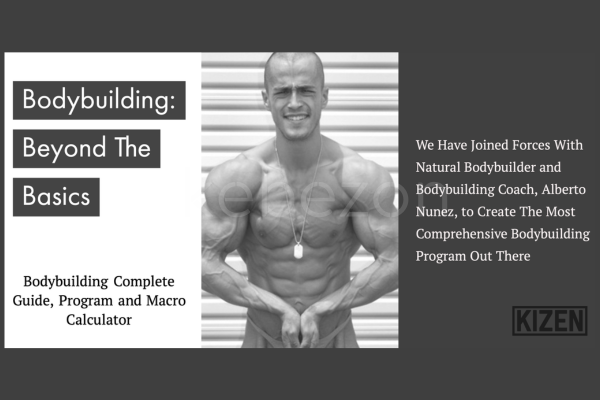 Bodybuilding Beyond the Basics - Alberto Nunez
1 × 5,00 $
Bodybuilding Beyond the Basics - Alberto Nunez
1 × 5,00 $ -
×
 Psychiatric Diagnosis and Interviewing with Jason Buckles & Victor Yalom
1 × 8,00 $
Psychiatric Diagnosis and Interviewing with Jason Buckles & Victor Yalom
1 × 8,00 $ -
×
 How to Cultivate the Mind of the Warrior - David Goggins
1 × 5,00 $
How to Cultivate the Mind of the Warrior - David Goggins
1 × 5,00 $ -
×
 Mystery's Bundle - Hey Guys! Audiobook + eBooks Hey Guys! and Book of Negs by Ask Mystery
1 × 15,00 $
Mystery's Bundle - Hey Guys! Audiobook + eBooks Hey Guys! and Book of Negs by Ask Mystery
1 × 15,00 $ -
×
 Strategies of a Winning Trader 2023 with Gareth Soloway
1 × 209,00 $
Strategies of a Winning Trader 2023 with Gareth Soloway
1 × 209,00 $ -
×
 Fuck The Friend Zone: How To Fuck Your Girl Friend, And Add Passion Back Into Your Long Term Relationship by Vin DiCarlo
1 × 5,00 $
Fuck The Friend Zone: How To Fuck Your Girl Friend, And Add Passion Back Into Your Long Term Relationship by Vin DiCarlo
1 × 5,00 $ -
×
 Shamanic Plant Spirit Initiations with Emma Fitchett - The Shift Network
1 × 54,00 $
Shamanic Plant Spirit Initiations with Emma Fitchett - The Shift Network
1 × 54,00 $ -
×
 FX SpeedRunner
1 × 5,00 $
FX SpeedRunner
1 × 5,00 $ -
×
 Supliful Roadmap with Supliful
1 × 5,00 $
Supliful Roadmap with Supliful
1 × 5,00 $



Experiential Therapy With Augustus Y. Napier
Original price was: 49,00 $.8,00 $Current price is: 8,00 $.
Download Experiential Therapy With Augustus Y. Napier, check content proof here:

Review of Augustus Y. Napier’s experiential treatment
According to Augustus Y. Napier, experiential therapy offers a fascinating look into the emotional landscapes of people and families. His contributions in this field have revolutionized therapy approaches by highlighting both the deep emotional experiences that people go through as well as the cognitive components. Through their ground-breaking work, The Family Crucible, Napier and Carl Whitaker provide a novel viewpoint by exploring the complexities of interpersonal relationships.
In addition to examining family dynamics, this work is a vital resource for therapists who want to comprehend and support genuine transformation. In order to clarify its significance in modern psychological treatment, this article will examine Napier’s technique, its ramifications, and the subtleties of experiential therapy.
The Experiential Therapy Foundation
With its emphasis on emotional involvement and real-life experiences above more conventional diagnostic frameworks, experiential therapy stands out as a unique method within the therapeutic spectrum. By encouraging clients to freely express their emotions, this method creates an atmosphere in which emotional truths might surface. It is impossible to overestimate Augustus Y. Napier’s important contribution in this field; he advocates for the notion that in order to bring about significant change in their clients, therapists must draw on their own unique experiences and insights.
The essence of Napier’s work lies in his profound understanding of family dynamics. By illustrating real case studies in The Family Crucible, he exemplifies how emotional connections within the family can act as both a source of strength and conflict. The narrative of families in tension showcases how therapy does not merely treat symptoms but seeks to unveil the hidden narratives that govern behaviors. For instance, couples grappling with intense conflicts often find their struggles rooted in unmet emotional needs. Napier’s approach encourages them to confront these fears head-on, setting the stage for open dialogue, vulnerability, and ultimately, healing.
Key Components of Napier’s Methodology
Napier’s therapeutic model incorporates the following key components:
- Personal Experience: The use of the therapist’s personal insights enhances relatability and fosters trust, making clients feel understood.
- Emotional Exploration: Encouraging clients to explore their feelings allows for a deeper understanding of their emotional landscape, which is vital for healing.
- Real-life Case Studies: Utilizing examples from actual therapy sessions provides a realistic framework for understanding family dynamics.
These elements represent a shift away from conventional approaches that prioritize intellectual comprehension. In order to facilitate breakthroughs that alter not just individual viewpoints but also whole relational dynamics, Napier instead urges clients to have emotionally charged talks.
Examining the Therapeutic Process in More Detail
Napier uses a captivating method in his therapy sessions that is comparable to sculpting; he meticulously molds and polishes his clients’ emotional narratives, giving them the means to piece together their own experiences. For example, Napier’s method was nothing short of revolutionary in a recorded session with a couple who were under a great deal of stress because of one partner’s medical condition. He expertly helped the couple overcome their anger and anxieties, encouraging them to be open and honest about their thoughts and experiences. In addition to shedding light on the underlying causes of their disputes, this method made empathy and understanding possible.
This therapeutic engagement can be dissected into several stages:
- Confrontation of Fears: Napier doesn’t shy away from challenging clients to face their deepest anxieties.
- Facilitated Discussion: He creates a safe space for clients to articulate their fears, ensuring that their emotions are validated.
- Pathways to Healing: By reframing distressing emotions as opportunities for growth, clients begin to see their struggles in a new light.
Such an approach effectively cultivates resilience among clients; rather than shying away from conflict, they learn to embrace it, viewing it as a catalyst for transformation rather than a barrier.
Emotional Bonds as the Foundation of Therapy
The concept of authentic emotional connections lies at the core of experiential therapy. This crucial idea is highlighted by Napier’s approach; therapists need to put the emotional ties between partners or family members above superficial exchanges. In his sessions, his warmth and sensitivity are evident, inspiring families to delve into their intricate emotional webs. In addition to resolving disputes, this strategy seeks to strengthen bonds between people by encouraging closeness and understanding.
In the end, this emphasis on emotional bonds provides enlightening discoveries. Families that express their feelings honestly are better able to overcome obstacles, develop better communication habits, and strengthen their support networks. The enduring influence of these bonds is what makes Napier’s work so beautiful. Relationship development follows emotional recovery, and vice versa.
The Relevance of Existential Themes
Napier also delves into existential themes within his therapeutic framework. By integrating ideas about anxiety and personal growth into experiential therapy, he highlights how distressing emotions are not just challenges to overcome but also opportunities for self-discovery. This existential perspective invites clients to reframe their struggles, transforming pain into avenues for development.
This theme is particularly resonant in modern therapeutic contexts, where individuals are increasingly encouraged to view their emotional struggles as integral parts of their journey. For instance, when clients express fear or despair, Napier’s approach emphasizes that these feelings can signify an impending growth spurt rather than a setback.
Existential Themes in Therapy Examples
Napier often discusses the following existential issues in therapy sessions:
- Knowledge of Death: Clients may emphasize their relationships and well-being when they consider how fleeting life is.
- Seek Meaning: In order to develop a feeling of direction for the future, clients frequently investigate what is most important to them.
- Acceptance of Anxiety: By accepting anxiety as a normal aspect of life, clients might gain the confidence to face their concerns head-on instead of avoiding them.
These themes support a comprehensive approach to treatment in which emotional experiences are not seen as burdens to be endured but rather as doors to personal understanding.
Resources for Further Exploration
For those intrigued by Augustus Y. Napier’s methodologies in experiential therapy, a wealth of resources awaits. Engaging with his writings and recorded therapy sessions not only provides insight into his techniques but also enriches one’s understanding of relational dynamics.
Recommended Resources
- Books by Augustus Y. Napier:
- The Family Crucible (co-authored with Carl Whitaker)
- The powerful family: The way to connect with children
- Therapy Sessions:
- Recorded sessions accessible through various mental health platforms.
- Workshops and Seminars:
- Various organizations host workshops based on Napier’s methodologies, offering hands-on experience.
Educative Research Studies
The effectiveness of experiential therapy in treating emotional disorders has been the subject of several research. According to research, clients who participate in experiential therapy
- Activities show increased emotional awareness.
- Improved communication amongst people.
- Greater capacity for stress management and resilience.
These empirical results support the idea that emotional involvement is essential to healing processes and highlight the applicability and efficacy of Napier’s method in modern therapeutic contexts.
In conclusion,
In a society where cognitive treatment methods are frequently used, Augustus Y. Napier’s focus on experiential therapy encourages us to accept the emotional essence of the human condition. Napier uses techniques based on true stories and actual connections to show how people and families may undergo significant transformation when they face their feelings head-on.
His writings encourage us to see discomfort not just as obstacles to overcome but also as important mentors that lead to a greater understanding of ourselves and our relationships. His observations illuminate a way to recovery that is equally transforming and rich in connection, and they serve as a powerful reminder of the importance of emotional experiences in therapy rooms everywhere. In keeping with his legacy, we are dedicated to respecting the complex web of human emotions that unites us all as we go further into experiential treatment.
Frequently Asked Questions:
Business Model Innovation:
Embrace the concept of a legitimate business! Our strategy revolves around organizing group buys where participants collectively share the costs. The pooled funds are used to purchase popular courses, which we then offer to individuals with limited financial resources. While the authors of these courses might have concerns, our clients appreciate the affordability and accessibility we provide.
The Legal Landscape:
The legality of our activities is a gray area. Although we don’t have explicit permission from the course authors to resell the material, there’s a technical nuance involved. The course authors did not outline specific restrictions on resale when the courses were purchased. This legal nuance presents both an opportunity for us and a benefit for those seeking affordable access.
Quality Assurance: Addressing the Core Issue
When it comes to quality, purchasing a course directly from the sale page ensures that all materials and resources are identical to those obtained through traditional channels.
However, we set ourselves apart by offering more than just personal research and resale. It’s important to understand that we are not the official providers of these courses, which means that certain premium services are not included in our offering:
- There are no scheduled coaching calls or sessions with the author.
- Access to the author’s private Facebook group or web portal is not available.
- Membership in the author’s private forum is not included.
- There is no direct email support from the author or their team.
We operate independently with the aim of making courses more affordable by excluding the additional services offered through official channels. We greatly appreciate your understanding of our unique approach.
Be the first to review “Experiential Therapy With Augustus Y. Napier”
You must be logged in to post a review.
Related products

Original price was: 39,00 $.8,00 $Current price is: 8,00 $.

Original price was: 699,00 $.148,00 $Current price is: 148,00 $.

Original price was: 99,00 $.39,00 $Current price is: 39,00 $.


Original price was: 1.100,00 $.241,00 $Current price is: 241,00 $.

Original price was: 398,00 $.62,00 $Current price is: 62,00 $.

Reviews
There are no reviews yet.