
-
×
 True Authentic Reality Experience - Beast Mode
1 × 5,00 $
True Authentic Reality Experience - Beast Mode
1 × 5,00 $ -
×
 Mastering Influence – Boost Your Influential Power And Exceed Your Sales Goals (2021) - Tony Robbins
1 × 5,00 $
Mastering Influence – Boost Your Influential Power And Exceed Your Sales Goals (2021) - Tony Robbins
1 × 5,00 $ -
×
 Memoir – True Story Software Add-On with John Truby
1 × 23,00 $
Memoir – True Story Software Add-On with John Truby
1 × 23,00 $ -
×
 Business by Design: Protocol By Unlock Your Design Academy
1 × 23,00 $
Business by Design: Protocol By Unlock Your Design Academy
1 × 23,00 $ -
×
 Hypnotic Seduction by George Hutton
1 × 20,00 $
Hypnotic Seduction by George Hutton
1 × 20,00 $ -
×
 Low Content Audio Cash with Amanda Craven
1 × 5,00 $
Low Content Audio Cash with Amanda Craven
1 × 5,00 $ -
×
 Referral Program with Kelli Marie Connor
1 × 5,00 $
Referral Program with Kelli Marie Connor
1 × 5,00 $ -
×
 Masculine Edge with Dr. Farhan Khawaja
1 × 5,00 $
Masculine Edge with Dr. Farhan Khawaja
1 × 5,00 $ -
×
 Of Rocks and Flowers: Dealing with the Abuse of Children with Virginia Satir
1 × 8,00 $
Of Rocks and Flowers: Dealing with the Abuse of Children with Virginia Satir
1 × 8,00 $ -
×
 WIM HOF Live Online Experience 2018 - Wim Hof
1 × 5,00 $
WIM HOF Live Online Experience 2018 - Wim Hof
1 × 5,00 $ -
×
 Blocking & Lighting A-Z with Shane Hurlbut
1 × 8,00 $
Blocking & Lighting A-Z with Shane Hurlbut
1 × 8,00 $ -
×
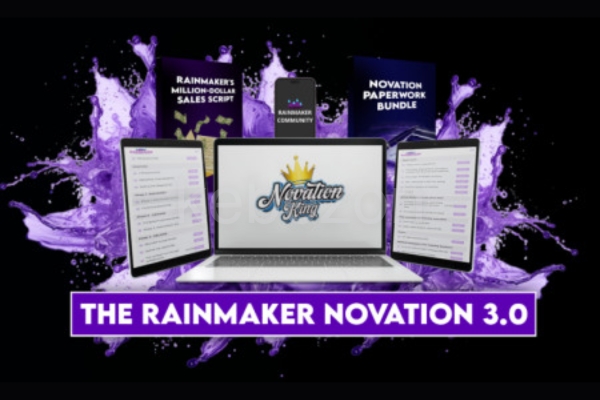 Rainmaker Novation 3.0 - Richard Wonders
1 × 31,00 $
Rainmaker Novation 3.0 - Richard Wonders
1 × 31,00 $ -
×
 Traffic Stream with Fergal Downes
1 × 5,00 $
Traffic Stream with Fergal Downes
1 × 5,00 $ -
×
 Ancestral Healing Course with Teal Swan
1 × 28,00 $
Ancestral Healing Course with Teal Swan
1 × 28,00 $ -
×
 Ormus Protocol (Advanced) by Spirituality Zone
1 × 11,00 $
Ormus Protocol (Advanced) by Spirituality Zone
1 × 11,00 $ -
×
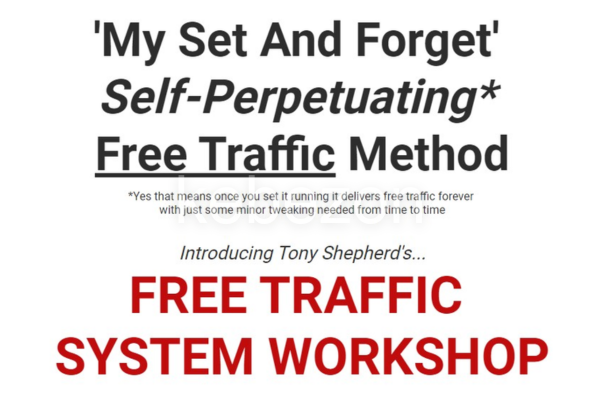 Free Traffic Workshop with Tony Shepherd
1 × 5,00 $
Free Traffic Workshop with Tony Shepherd
1 × 5,00 $ -
×
 The Truth About Cancer Eastern Medicine – Gold Edition
1 × 23,00 $
The Truth About Cancer Eastern Medicine – Gold Edition
1 × 23,00 $ -
×
 Automated Income Assets with Benjamin Fletcher
1 × 5,00 $
Automated Income Assets with Benjamin Fletcher
1 × 5,00 $ -
×
 Courageous Coaching Certification with Kendall SummerHawk
1 × 54,00 $
Courageous Coaching Certification with Kendall SummerHawk
1 × 54,00 $ -
×
 Fuck The Friend Zone: How To Fuck Your Girl Friend, And Add Passion Back Into Your Long Term Relationship by Vin DiCarlo
1 × 5,00 $
Fuck The Friend Zone: How To Fuck Your Girl Friend, And Add Passion Back Into Your Long Term Relationship by Vin DiCarlo
1 × 5,00 $ -
×
 Four Steps to Encreasing Intuition with Court of Atonement
1 × 8,00 $
Four Steps to Encreasing Intuition with Court of Atonement
1 × 8,00 $



Managing Depression With Brad Hagen
Original price was: 25,00 $.8,00 $Current price is: 8,00 $.
Download Managing Depression With Brad Hagen, check content proof here:
Managing Depression: Insights from Brad Hagen
Depression, often likened to a heavy fog that shrouds one’s mind, can obscure the paths to joy and fulfillment. It seeps into the crevices of daily life, rendering even the simplest tasks daunting. Brad Hagen, a prominent figure in the mental health field, has dedicated his career to exploring the intricate realms of managing this pervasive condition. His work underscores that understanding depression is not a one-size-fits-all approach; rather, it is a multifaceted endeavor that necessitates a blend of psychotherapy and medication. This article delves into Hagen’s insights and recommendations, offering a vivid portrayal of how effective management strategies can illuminate the path toward recovery.
The Dual Approach: Psychotherapy and Medication
Brad Hagen advocates for a comprehensive approach to managing depression that intertwines psychotherapy and medication. Each method has distinct advantages and potential downsides that can significantly influence patient experiences and treatment outcomes.
The Benefits of Psychotherapy
Psychotherapy is often described as the emotional armoring of one’s psyche. It offers a structured space where individuals can unpack their thoughts and feelings without fear of judgment. Effective therapies, such as Cognitive Behavioral Therapy (CBT), have shown remarkable promise in treating depressive disorders. These psychotherapeutic techniques enable patients to retrain their thought patterns, shifting from a mindset of despair to one of empowerment. According to a study published by the American Psychological Association, patients engaged in CBT reported a 40-60% reduction in depressive symptoms, showcasing the efficacy of this method.
The Role of Medication
In contrast, medication can serve as a stabilizing force, correcting the neurochemical imbalances often associated with depression. Antidepressants, particularly SSRIs (Selective Serotonin Reuptake Inhibitors), have become a staple in pharmacological treatment. They have been shown to improve mood by increasing levels of serotonin in the brain. For example, a meta-analysis involving thousands of participants indicated that SSRIs significantly outperformed placebo treatments, suggesting their crucial role in managing severe depression. However, medication is not without its challenges; side effects can be a barrier, and finding the right medication often requires patience and careful monitoring.
Key Differences, Similarities, and Considerations
| Aspect | Psychotherapy | Medication |
| Nature | Relies on conversation and insights | Relies on chemical balance |
| Treatment Duration | Varies; often long-term | Typically prescribed for a set timeframe |
| Benefits | Empowers individual, skill-based | Can stabilize moods quickly |
| Drawbacks | May take time to show effects | Side effects, withdrawal symptoms |
| Patient Engagement | High; requires active participation | Varies; depends on adherence |
In light of these comparisons, Brad Hagen emphasizes the necessity of integrating both approaches, particularly for those grappling with severe depression characterized by suicidality. This holistic strategy not only enhances the chances of treatment success but also comes with the added benefit of addressing the emotional and physical dimensions of depression.
The Importance of Skilled Interpersonal Engagement
A vital aspect of managing depression, as emphasized by Hagen, lies in the interpersonal dynamics between mental health professionals and their patients. The effectiveness of treatment often hinges on the patient-provider relationship, which is akin to a gardener nurturing plants to flourish in the light of understanding and care.
Building Rapport Through Effective Communication
Hagen posits that establishing rapport is fundamental to the therapeutic process. A proficient practitioner embodies skills such as empathy, active listening, and assertiveness. These competencies allow for a deeper connection with patients, fostering an environment where individuals feel safe to share their vulnerabilities. In contrast, inexperienced practitioners may struggle to communicate effectively, which can lead to feelings of disconnection for the patient. Scenarios presented by Hagen illustrate how these differences can lead to disparate outcomes: a seasoned practitioner guiding a patient through emotional turmoil can lead to improved resilience, while a lack of connection may exacerbate feelings of isolation.
The Role of Hope in Recovery
Moreover, Hagen elucidates the transformative power of hope in therapeutic settings. Professionals who convey optimism not only encourage patients but also instill a sense of agency the belief that one can influence their recovery journey. Echoing the sentiments of the late psychiatrist Viktor Frankl, who asserted that life is meaningful even in suffering, Hagen’s focus on providing hope echoes across the emotional landscape of depression management.
Practical Scenarios: Effective vs. Ineffective Interventions
- Effective Intervention: A clinician actively listens, validating a patient’s feelings while providing constructive feedback. This dynamic promotes healing and fosters trust.
- Ineffective Intervention: A novice therapist interrupts frequently, offering unsolicited advice without understanding the context, rendering the patient feeling unheard and frustrated.
In summary, Hagen’s work reiterates the profound impact of skilled interpersonal engagement on depression management. By fostering meaningful connections, practitioners can significantly affect the therapeutic alliance, which ultimately paves the way for more successful treatment outcomes.
Critiques of Current Assessment Tools: The Beck Depression Inventory
As the landscape of depression treatment evolves, it becomes imperative to critically evaluate the tools used to assess depression, prominently the Beck Depression Inventory (BDI). Brad Hagen’s critique of the BDI unveils both its merits and limitations, raising essential questions regarding its applicability in contemporary clinical practices.
Strengths of the Beck Depression Inventory
The BDI has retained its status as one of the most frequently used instruments for measuring the severity of depression. Its structured format allows clinicians to gauge the intensity of a patient’s depressive symptoms effectively. Studies suggest that the BDI provides a reliable snapshot of a patient’s emotional state, enabling clinicians to tailor treatments according to individual needs. Furthermore, its ability to monitor changes in a patient’s condition over time proves invaluable during follow-up appointments.
Limitations and Areas for Improvement
However, Hagen highlights notable biases within the BDI, particularly its overemphasis on cognitive distress symptoms. The inventory tends to focus on thoughts associated with depression while often neglecting somatic or affective components that may be just as revelatory. For example, symptoms such as fatigue or physical pain, often overlooked, can greatly influence a patient’s overall experience of depression. Consequently, this limited perspective may hinder the clinician’s ability to capture the full spectrum of a patient’s suffering, ultimately leading to incomplete assessments.
A Call for Holistic Assessment Tools
In light of these critiques, there is a growing call within the mental health community for more inclusive and holistic assessment tools. Professionals like Hagen advocate for developing inventories that encompass a broader range of depressive symptoms, integrating both psychological and physiological aspects.
This reevaluation of assessment methodologies challenges practitioners to think beyond traditional frameworks, encouraging them to incorporate feedback from patients and adopt a more comprehensive approach to understanding depression. As a result, practitioners may become more adept at crafting individualized treatment plans that cater to specific needs.
Conclusion
In the tapestry of mental health management, Brad Hagen’s insights illuminate the complex dynamics of effectively managing depression. By knitting together psychotherapy, medication, and the essence of skilled interpersonal engagement, he presents a multidimensional strategy for treatment. His critical assessments of prevalent tools like the BDI encourage ongoing discourse within the mental health community, urging professionals to embrace innovative approaches to understanding and addressing depression. In a landscape often clouded by despair, Hagen’s work serves as a beacon, guiding both patients and practitioners through the intricacies of managing depression toward a brighter horizon filled with hope and healing.
Frequently Asked Questions:
Business Model Innovation:
Embrace the concept of a legitimate business! Our strategy revolves around organizing group buys where participants collectively share the costs. The pooled funds are used to purchase popular courses, which we then offer to individuals with limited financial resources. While the authors of these courses might have concerns, our clients appreciate the affordability and accessibility we provide.
The Legal Landscape:
The legality of our activities is a gray area. Although we don’t have explicit permission from the course authors to resell the material, there’s a technical nuance involved. The course authors did not outline specific restrictions on resale when the courses were purchased. This legal nuance presents both an opportunity for us and a benefit for those seeking affordable access.
Quality Assurance: Addressing the Core Issue
When it comes to quality, purchasing a course directly from the sale page ensures that all materials and resources are identical to those obtained through traditional channels.
However, we set ourselves apart by offering more than just personal research and resale. It’s important to understand that we are not the official providers of these courses, which means that certain premium services are not included in our offering:
- There are no scheduled coaching calls or sessions with the author.
- Access to the author’s private Facebook group or web portal is not available.
- Membership in the author’s private forum is not included.
- There is no direct email support from the author or their team.
We operate independently with the aim of making courses more affordable by excluding the additional services offered through official channels. We greatly appreciate your understanding of our unique approach.
Be the first to review “Managing Depression With Brad Hagen”
You must be logged in to post a review.
Related products

Original price was: 39,00 $.8,00 $Current price is: 8,00 $.

Psychology
Policy Affects Practice & Students/Practitioners Affect Policy with Influencing Social Policy
Original price was: 19,00 $.8,00 $Current price is: 8,00 $.


Psychology
IFS & The Treatment of Addictions: Biology, Healing and Habits with Frank Anderson – PESI
Original price was: 59,00 $.15,00 $Current price is: 15,00 $.

Original price was: 349,00 $.62,00 $Current price is: 62,00 $.

Original price was: 34,00 $.8,00 $Current price is: 8,00 $.

Original price was: 39,00 $.8,00 $Current price is: 8,00 $.

Reviews
There are no reviews yet.