
-
×
 Building the Beast with John Meadows and Paul Carter
1 × 5,00 $
Building the Beast with John Meadows and Paul Carter
1 × 5,00 $ -
×
 Boss Traffic with Fergal Downes
1 × 5,00 $
Boss Traffic with Fergal Downes
1 × 5,00 $ -
×
 Winning at WordPress with Alyssa Brady
1 × 25,00 $
Winning at WordPress with Alyssa Brady
1 × 25,00 $ -
×
 The Blueprint Training 2020 with Ryan Stewart
1 × 5,00 $
The Blueprint Training 2020 with Ryan Stewart
1 × 5,00 $ -
×
 Assessment & Electro-Acupuncture Treatment of Intrascapular Pain - Anthony Lombardi
1 × 39,00 $
Assessment & Electro-Acupuncture Treatment of Intrascapular Pain - Anthony Lombardi
1 × 39,00 $ -
×
 Affiliate Millions
1 × 5,00 $
Affiliate Millions
1 × 5,00 $ -
×
 The Growth Accelerator with Dan Martell
1 × 5,00 $
The Growth Accelerator with Dan Martell
1 × 5,00 $ -
×
 Courageous Coaching Certification with Kendall SummerHawk
1 × 54,00 $
Courageous Coaching Certification with Kendall SummerHawk
1 × 54,00 $ -
×
 Double Your Freelancing Rate 2024 with Brennan Dunn
1 × 5,00 $
Double Your Freelancing Rate 2024 with Brennan Dunn
1 × 5,00 $ -
×
 The Unchained Man: The Alpha Male 2.0 with Caleb Jones
1 × 5,00 $
The Unchained Man: The Alpha Male 2.0 with Caleb Jones
1 × 5,00 $ -
×
 The Ever Summer Presets: VOLUME II with Michael Sasser
1 × 23,00 $
The Ever Summer Presets: VOLUME II with Michael Sasser
1 × 23,00 $ -
×
 Extreme Social Proof Aphrodisiac 5.11G (Type A/B/C/D Hybrid) with Subliminal Shop
1 × 93,00 $
Extreme Social Proof Aphrodisiac 5.11G (Type A/B/C/D Hybrid) with Subliminal Shop
1 × 93,00 $ -
×
 Triple Cash E-Book with Amanda Craven
1 × 5,00 $
Triple Cash E-Book with Amanda Craven
1 × 5,00 $ -
×
 Relax & Unwind - Daily Bedtime Yoga for All Levels With Erinda Martin
1 × 6,00 $
Relax & Unwind - Daily Bedtime Yoga for All Levels With Erinda Martin
1 × 6,00 $ -
×
 The Minimalist Training System with Wanhee Kim
1 × 78,00 $
The Minimalist Training System with Wanhee Kim
1 × 78,00 $ -
×
 Perform Energy Clearings on Yourself & Other People - Jean Haner
1 × 39,00 $
Perform Energy Clearings on Yourself & Other People - Jean Haner
1 × 39,00 $ -
×
 Selling on Amazon: Perfecting Traffic and Conversions - Mina Elias
1 × 39,00 $
Selling on Amazon: Perfecting Traffic and Conversions - Mina Elias
1 × 39,00 $ -
×
 Effortless Content: The Quick & Dirty Way To Create GREAT Content - Ryan Booth
1 × 5,00 $
Effortless Content: The Quick & Dirty Way To Create GREAT Content - Ryan Booth
1 × 5,00 $ -
×
 Command Your Trading Course with Price Action Traders Institute
1 × 5,00 $
Command Your Trading Course with Price Action Traders Institute
1 × 5,00 $ -
×
 Super Learning Master Class with Howard Berg
1 × 5,00 $
Super Learning Master Class with Howard Berg
1 × 5,00 $ -
×
 Matters of Size: The Ultimate Guide to Enlargement
1 × 5,00 $
Matters of Size: The Ultimate Guide to Enlargement
1 × 5,00 $ -
×
 Mysterious Techniques That Will Spike Her Attraction by Arash Dibazar
1 × 5,00 $
Mysterious Techniques That Will Spike Her Attraction by Arash Dibazar
1 × 5,00 $ -
×
 Daredevil: Embrace Adventure, Craft Stories, Ignite Deep Connections by Subliminal Club by Subliminal Club
1 × 15,00 $
Daredevil: Embrace Adventure, Craft Stories, Ignite Deep Connections by Subliminal Club by Subliminal Club
1 × 15,00 $ -
×
 Marketing Mastery to RaiseUp Your Business by Kami Guildner
1 × 93,00 $
Marketing Mastery to RaiseUp Your Business by Kami Guildner
1 × 93,00 $ -
×
 Vuurb - Vocal Ear-Candy Sample Pack with Rob Late
1 × 8,00 $
Vuurb - Vocal Ear-Candy Sample Pack with Rob Late
1 × 8,00 $ -
×
 Exploring Color and Composition with Mary Jane Begin
1 × 5,00 $
Exploring Color and Composition with Mary Jane Begin
1 × 5,00 $ -
×
 Awaken Inner Healing With the Power of Your Voice By The Brothers Koren - The Shift Network
1 × 46,00 $
Awaken Inner Healing With the Power of Your Voice By The Brothers Koren - The Shift Network
1 × 46,00 $ -
×
 Smart Forex Solutions College Program
1 × 5,00 $
Smart Forex Solutions College Program
1 × 5,00 $ -
×
 The Truth About Cancer Eastern Medicine – Gold Edition
1 × 23,00 $
The Truth About Cancer Eastern Medicine – Gold Edition
1 × 23,00 $ -
×
 Awaken Extreme Drive (Advanced) with Spirituality Zone
1 × 15,00 $
Awaken Extreme Drive (Advanced) with Spirituality Zone
1 × 15,00 $ -
×
 How To Get Your Clients To Send You More Clients with Maria Wendt
1 × 5,00 $
How To Get Your Clients To Send You More Clients with Maria Wendt
1 × 5,00 $ -
×
 Shogun Method Black Book (DeluxeBundle) with Derek Rake
1 × 5,00 $
Shogun Method Black Book (DeluxeBundle) with Derek Rake
1 × 5,00 $ -
×
 The Iodine Crisis: What You Don’t Know About Iodine Can Wreck Your Life (PDF+Mp3) with Lynne Farrow
1 × 6,00 $
The Iodine Crisis: What You Don’t Know About Iodine Can Wreck Your Life (PDF+Mp3) with Lynne Farrow
1 × 6,00 $ -
×
 Freelance 101 Academy 2021 - Saheli Chatterjee
1 × 5,00 $
Freelance 101 Academy 2021 - Saheli Chatterjee
1 × 5,00 $ -
×
 Upa Yoga: Yoga of Transformation - Relax, Replenish, Revive - Sadhguru Jaggi Vasudev
1 × 5,00 $
Upa Yoga: Yoga of Transformation - Relax, Replenish, Revive - Sadhguru Jaggi Vasudev
1 × 5,00 $ -
×
 Mini MBA in Brand Management with Mark Ritson
1 × 31,00 $
Mini MBA in Brand Management with Mark Ritson
1 × 31,00 $ -
×
 5 Minute Flexibility with Giles Wiley
1 × 5,00 $
5 Minute Flexibility with Giles Wiley
1 × 5,00 $ -
×
 Steps to Everyday Productivity - April and Eric Perry
1 × 22,00 $
Steps to Everyday Productivity - April and Eric Perry
1 × 22,00 $ -
×
 The Vibe System - Attracting Hot Women Is Incredibly Easy!
1 × 5,00 $
The Vibe System - Attracting Hot Women Is Incredibly Easy!
1 × 5,00 $ -
×
 Understanding Gender: Explore Sex, Gender, and Sexual Orientation with Silva Neves
1 × 5,00 $
Understanding Gender: Explore Sex, Gender, and Sexual Orientation with Silva Neves
1 × 5,00 $ -
×
 Mindfulness-Based Relapse Prevention for Addictions: Volume I With Devin Ashwood
1 × 8,00 $
Mindfulness-Based Relapse Prevention for Addictions: Volume I With Devin Ashwood
1 × 8,00 $ -
×
 Ecommerce SEO Bootcamp with Freddie Chatt
1 × 5,00 $
Ecommerce SEO Bootcamp with Freddie Chatt
1 × 5,00 $ -
×
 Creating Seamless Textures in Photoshop with Stone River eLearning
1 × 6,00 $
Creating Seamless Textures in Photoshop with Stone River eLearning
1 × 6,00 $ -
×
 Crime Detective & Thriller Audio Class with John Truby
1 × 23,00 $
Crime Detective & Thriller Audio Class with John Truby
1 × 23,00 $ -
×
 Olde English Abbey Composite Stock Assets 2 with Clinton Lofthouse
1 × 8,00 $
Olde English Abbey Composite Stock Assets 2 with Clinton Lofthouse
1 × 8,00 $ -
×
 Loan Security with Scott Powell - CFI Education
1 × 15,00 $
Loan Security with Scott Powell - CFI Education
1 × 15,00 $ -
×
 Fuck The Friend Zone: How To Fuck Your Girl Friend, And Add Passion Back Into Your Long Term Relationship by Vin DiCarlo
1 × 5,00 $
Fuck The Friend Zone: How To Fuck Your Girl Friend, And Add Passion Back Into Your Long Term Relationship by Vin DiCarlo
1 × 5,00 $ -
×
 SSL Sniper with Tom Gaddis and Nick Ponte
1 × 5,00 $
SSL Sniper with Tom Gaddis and Nick Ponte
1 × 5,00 $ -
×
 Enjoy a Natural Face-Lift with Subliminal Guru
1 × 4,00 $
Enjoy a Natural Face-Lift with Subliminal Guru
1 × 4,00 $ -
×
 DIG DEEPER with Shaun T
1 × 5,00 $
DIG DEEPER with Shaun T
1 × 5,00 $ -
×
 The Envisioning Method with Vishen Lakhiani
1 × 5,00 $
The Envisioning Method with Vishen Lakhiani
1 × 5,00 $ -
×
 Beyond Self Hypnosis 2020 (full version) with Igor Ledochowski
1 × 39,00 $
Beyond Self Hypnosis 2020 (full version) with Igor Ledochowski
1 × 39,00 $ -
×
 How I make $15K+ per week with Simple Software - Secret Marketer
1 × 5,00 $
How I make $15K+ per week with Simple Software - Secret Marketer
1 × 5,00 $ -
×
 The Healing Power of Water with Edward Group
1 × 69,00 $
The Healing Power of Water with Edward Group
1 × 69,00 $ -
×
 Hidden Woodland Beaches And Waterfalls Composite Stock Assets with Clinton Lofthouse
1 × 8,00 $
Hidden Woodland Beaches And Waterfalls Composite Stock Assets with Clinton Lofthouse
1 × 8,00 $ -
×
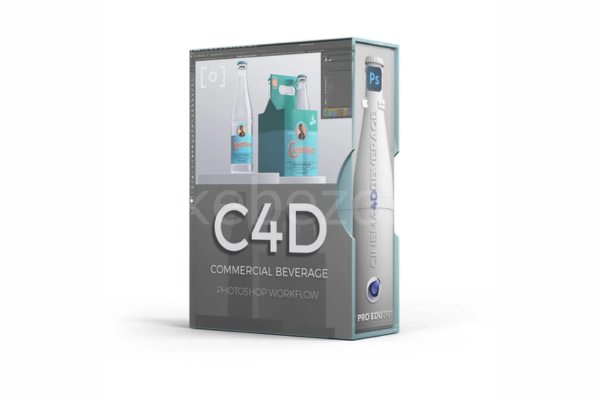 Beverage CGI Workflow in C4D & Photoshop with Dustin Valkema
1 × 8,00 $
Beverage CGI Workflow in C4D & Photoshop with Dustin Valkema
1 × 8,00 $ -
×
 Policy Affects Practice & Students/Practitioners Affect Policy with Influencing Social Policy
1 × 8,00 $
Policy Affects Practice & Students/Practitioners Affect Policy with Influencing Social Policy
1 × 8,00 $


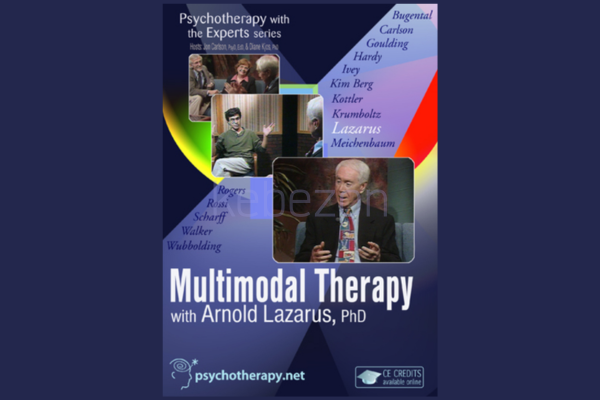
Multimodal Therapy With Arnold Lazarus
Original price was: 49,00 $.8,00 $Current price is: 8,00 $.
Download Multimodal Therapy With Arnold Lazarus, check content proof here:

Review of multimodal therapy with Arnold Lazarus
Multimodal therapy (MMT), conceived by the astute psychologist Arnold Lazarus, represents a revolutionary paradigm in the realm of psychotherapy. Like a vibrant tapestry woven from myriad threads, MMT offers a rich, comprehensive approach to understanding and treating psychological issues. Developing in the 1980s, this therapeutic model arose in response to the limitations of more traditional frameworks, particularly cognitive-behavioral therapy (CBT).
Lazarus’s insight was profound he understood that human experiences are often complex and cannot be distilled into simplistic diagnoses. Instead, he envisioned a holistic treatment rooted in a biopsychosocial model that integrates various aspects of human behavior and psychology. This article delves into the core concepts, techniques, and practical applications of multimodal therapy, illuminating its significance in contemporary therapeutic practices.
The Foundation of Multimodal Therapy
Understanding the basic i.d. Framework
At the heart of multimodal therapy lies the basic i.d. framework, a nuanced system that categorizes human experiences into seven dimensions: behavior, affect (emotion), sensation, imagery, cognition, interpersonal relationships, and drugs (biological factors). By assessing each component, therapists can gain a comprehensive understanding of a client’s issues, tailoring interventions according to individual needs. For instance, consider a person suffering from anxiety. Through the lens of the basic i.d. framework, the therapist would explore not only the client’s thoughts and emotions but also their physiological responses, social interactions, and even relevant medical history.
This multifaceted evaluation allows for the development of tailored treatment strategies. A client’s unique basic i.d. makeup the specific combination of these dimensions will inform the therapeutic approach. For example, one client may find relief through techniques aimed primarily at cognitive restructuring, while another might benefit more from enhancing interpersonal relationships or addressing medical issues. Thus, the flexibility provided by MMT is one of its most compelling attributes, allowing for personalized interventions that resonate deeply with the client’s lived experience.
The Role of Technical Eclecticism
Lazarus’s approach is fundamentally characterized by technical eclecticism. This philosophical stance posits that therapists should not confine themselves to a singular theoretical model; rather, they ought to draw upon a spectrum of techniques from multiple therapeutic modalities. This eclectic approach is similar to a chef who blends various culinary traditions to create a unique and flavorful dish. By employing diverse therapeutic tools, clinicians can neatly sidestep the pitfalls of rigid therapeutic frameworks that may not suit all clients.
This eclecticism ensures that the therapy is grounded not only in established theories but also in empirical evidence, adhering to the scientific principles of psychology. Therapists are encouraged to draw upon well-researched methods that align best with specific client needs, ensuring that the treatment is as effective as possible. Such flexibility enables therapists to adapt their methods as they explore the nuanced layers of each client’s circumstances, fostering a more authentic therapeutic relationship.
Therapeutic Techniques and Practical Applications
Integration of Various Therapeutic Modalities
MMT’s embrace of various therapeutic techniques makes it a versatile option for practitioners. By incorporating elements from multiple schools of therapy, MMT adapts seamlessly to differing clinical contexts and client profiles. For instance, a therapist may utilize cognitive-behavioral strategies to modify distorted thought patterns while applying techniques from Gestalt therapy to enhance the client’s awareness of their immediate sensory experiences. This integration creates a richer therapeutic experience, as therapists can respond dynamically to the evolving needs of their clients.
Furthermore, Lazarus’s work includes numerous practical illustrations, such as actual session transcripts and vignettes that showcase the application of these techniques. Such inclusivity ensures that MMT isn’t just theoretical; it equips therapists with tangible strategies they can implement in their practices. This feature broadens accessibility, allowing practitioners new to the multimodal approach to feel confident in employing its strategies, regardless of the therapeutic background.
Real-Life Examples of Multimodal Therapy in Action
Consider a hypothetical case involving a young adult named Sarah struggling with low self-esteem and relational challenges. In applying MMT, her therapist would conduct a thorough assessment using the basic i.d. framework. They might discover that Sarah exhibits certain cognitive distortions about her self-worth, has unresolved personal trauma impacting her emotional health, and struggles with communication in her relationships.
In response, the therapist could employ a combination of techniques: cognitive restructuring techniques to challenge and reframe Sarah’s negative beliefs, role-playing exercises to practice interpersonal skills, and possibly somatic exercises to help her connect with her physical sensations. By addressing the many facets of Sarah’s experiences, the therapist provides a comprehensive therapeutic experience that empowers her towards healing.
The real beauty of MMT lies not just in its theoretical foundation but in its practical applications. By effectively responding to the dynamic interplay of emotional, cognitive, social, and biological factors in a client’s life, MMT offers a pathway to profound personal growth and emotional resilience.
Assessing Effectiveness and Evidence-Based Practices
Empirical Support for Multimodal Therapy
The burgeoning body of research supporting multimodal therapy attests to its efficacy in various therapeutic contexts. Studies have consistently highlighted the benefits of utilizing a comprehensive, integrative approach to psychological treatment. For example, research published in the Journal of Counseling Psychology found that clients undergoing multimodal therapy showed significant improvement in emotional regulation and interpersonal skills compared to those receiving standard cognitive-behavioral therapy alone.
Case studies and empirical research
Detailed case studies provide additional layers of understanding regarding MMT’s effectiveness. In a notable study conducted by the American Psychological Association, researchers followed a cohort of clients over six months, revealing extraordinary benefits derived from MMT techniques. Clients reported increases in self-efficacy, resilience, and overall life satisfaction, largely attributed to the approach’s holistic nature that respectfully honored their unique experiences.
This evidence underscores the merit of technical eclecticism inherent in MMT, as it stands up to rigorous scientific scrutiny while also emphasizing the importance of tailored interventions that resonate with each client. Such empirical support further solidifies MMT’s position as a leading therapeutic choice in modern psychology, nudging even the most skeptical practitioners to explore its potential.
The Evolution and Future of Multimodal Therapy
Embracing Change in Psychotherapeutic Practices
As the field of psychology continues to evolve, so does multimodal therapy. With a steadfast commitment to integration, adaptability, and empirical research, MMT positions itself as a frontrunner among contemporary psychotherapeutic strategies. This is particularly relevant given the ever-growing understanding of the complexities surrounding mental health and the nuanced experiences of individuals.
With increasing public awareness and acknowledgment of mental health challenges, there has been a rising demand for therapists who can respond to diverse client needs. The flexibility ingrained within MMT allows therapists to stay attuned to emerging trends, societal shifts, and advancements in psychological research. It’s akin to a chameleon seamlessly adapting to its environment MMT evolves while maintaining its core principles.
Looking Ahead: Multimodal Therapy in Practice
Anticipating the future, the potential for further development in multimodal therapy is immense. With the rise of digital platforms and teletherapy, clinicians can leverage the multimodal approach to reach clientele beyond geographic limitations. As technology intersects with the therapeutic process, therapists may integrate innovative techniques like virtual reality exposure therapy, alongside traditional modalities, enhancing the depth and breadth of client care.
Moreover, the continued emphasis on training and education within the field will likely establish MMT as a staple in university curricula, equipping future psychologists with the skills necessary to embrace this comprehensive approach. This forward-thinking attitude establishes multimodal therapy not just as a trend but as a lasting evolution in psychotherapeutic practice.
Conclusion
In conclusion, multimodal therapy, as conceptualized by Arnold Lazarus, presents a sophisticated and holistic approach to psychological treatment. Its incorporation of the basic i.d. framework, commitment to technical eclecticism, and emphasis on empirical validation position it as a powerful tool in contemporary therapy. The approach’s ability to navigate the intricate web of human experience addressing emotional, cognitive, relational, and biological factors underscores its relevance and efficacy in meeting the unique needs of clients. As we move forward, the evolution of MMT promises to illuminate new paths for therapeutic practice, empowering both clients and therapists alike on their shared journey toward healing and growth.
Frequently Asked Questions:
Business Model Innovation:
Embrace the concept of a legitimate business! Our strategy revolves around organizing group buys where participants collectively share the costs. The pooled funds are used to purchase popular courses, which we then offer to individuals with limited financial resources. While the authors of these courses might have concerns, our clients appreciate the affordability and accessibility we provide.
The Legal Landscape:
The legality of our activities is a gray area. Although we don’t have explicit permission from the course authors to resell the material, there’s a technical nuance involved. The course authors did not outline specific restrictions on resale when the courses were purchased. This legal nuance presents both an opportunity for us and a benefit for those seeking affordable access.
Quality Assurance: Addressing the Core Issue
When it comes to quality, purchasing a course directly from the sale page ensures that all materials and resources are identical to those obtained through traditional channels.
However, we set ourselves apart by offering more than just personal research and resale. It’s important to understand that we are not the official providers of these courses, which means that certain premium services are not included in our offering:
- There are no scheduled coaching calls or sessions with the author.
- Access to the author’s private Facebook group or web portal is not available.
- Membership in the author’s private forum is not included.
- There is no direct email support from the author or their team.
We operate independently with the aim of making courses more affordable by excluding the additional services offered through official channels. We greatly appreciate your understanding of our unique approach.
Be the first to review “Multimodal Therapy With Arnold Lazarus”
You must be logged in to post a review.
Related products

Original price was: 599,00 $.31,00 $Current price is: 31,00 $.

Original price was: 29,00 $.8,00 $Current price is: 8,00 $.

Original price was: 25,00 $.8,00 $Current price is: 8,00 $.

Psychology
Original price was: 25,00 $.8,00 $Current price is: 8,00 $.
Psychology
Policy Affects Practice & Students/Practitioners Affect Policy with Influencing Social Policy
Original price was: 19,00 $.8,00 $Current price is: 8,00 $.

Original price was: 39,00 $.8,00 $Current price is: 8,00 $.


Original price was: 699,00 $.148,00 $Current price is: 148,00 $.
Reviews
There are no reviews yet.