
-
×
 Bio-Dynamic Nutrition with Edward Group
1 × 69,00 $
Bio-Dynamic Nutrition with Edward Group
1 × 69,00 $ -
×
 Systems Health Care Fundamentals - Series 3 with Stephen Gangemi - Systems Health Care
1 × 78,00 $
Systems Health Care Fundamentals - Series 3 with Stephen Gangemi - Systems Health Care
1 × 78,00 $ -
×
 Olde English Abbey Composite Stock Assets 3 with Clinton Lofthouse
1 × 8,00 $
Olde English Abbey Composite Stock Assets 3 with Clinton Lofthouse
1 × 8,00 $ -
×
 Overcome Grief with Marisa Peer
1 × 8,00 $
Overcome Grief with Marisa Peer
1 × 8,00 $ -
×
 Alkaline Awakening with Revival Of Wisdom
1 × 5,00 $
Alkaline Awakening with Revival Of Wisdom
1 × 5,00 $ -
×
 Atlas Forex Trading Course
1 × 5,00 $
Atlas Forex Trading Course
1 × 5,00 $ -
×
 Affiliate Millions
1 × 5,00 $
Affiliate Millions
1 × 5,00 $ -
×
 Plus Size Sexy Skills: Embracing Your Curves with Confidence in the Bedroom with Luna Matatas
1 × 5,00 $
Plus Size Sexy Skills: Embracing Your Curves with Confidence in the Bedroom with Luna Matatas
1 × 5,00 $ -
×
 Wealth Beyond Reason 2.0 with Bob Doyle
1 × 93,00 $
Wealth Beyond Reason 2.0 with Bob Doyle
1 × 93,00 $ -
×
 Fast and Effective UX Design: Learn the Process with Jose Caballer
1 × 5,00 $
Fast and Effective UX Design: Learn the Process with Jose Caballer
1 × 5,00 $ -
×
 14-Day High Ticket Course Launch Formula - Aaron Fletcher
1 × 5,00 $
14-Day High Ticket Course Launch Formula - Aaron Fletcher
1 × 5,00 $ -
×
 Urban Explorer with Clinton Lofthouse
1 × 8,00 $
Urban Explorer with Clinton Lofthouse
1 × 8,00 $ -
×
 Elite POD Course + Playbook with Jesse Anselm
1 × 26,00 $
Elite POD Course + Playbook with Jesse Anselm
1 × 26,00 $ -
×
 Assessment & Treatment of Sacroiliac Joint Dysfunction & Sacroiliitis - Anthony Lombardi
1 × 46,00 $
Assessment & Treatment of Sacroiliac Joint Dysfunction & Sacroiliitis - Anthony Lombardi
1 × 46,00 $ -
×
 SHIFT by Julien Blanc
1 × 5,00 $
SHIFT by Julien Blanc
1 × 5,00 $ -
×
 xShot Email Method Course
1 × 5,00 $
xShot Email Method Course
1 × 5,00 $ -
×
 Mining Financial Model & Valuation with Tim Vipond - CFI Education
1 × 15,00 $
Mining Financial Model & Valuation with Tim Vipond - CFI Education
1 × 15,00 $ -
×
 Mini MBA in Brand Management with Mark Ritson
1 × 31,00 $
Mini MBA in Brand Management with Mark Ritson
1 × 31,00 $ -
×
 The Cloud Resume Challenge Guidebook - Forrest Brazeal
1 × 5,00 $
The Cloud Resume Challenge Guidebook - Forrest Brazeal
1 × 5,00 $ -
×
 Strategies of a Winning Trader 2023 with Gareth Soloway
1 × 209,00 $
Strategies of a Winning Trader 2023 with Gareth Soloway
1 × 209,00 $ -
×
 Dark NLP with Michael Pace
1 × 5,00 $
Dark NLP with Michael Pace
1 × 5,00 $ -
×
 Mental Strength with George Hutton
1 × 5,00 $
Mental Strength with George Hutton
1 × 5,00 $ -
×
 RANK AND RENT with Tony Newton
1 × 5,00 $
RANK AND RENT with Tony Newton
1 × 5,00 $ -
×
 Google Tag Manager for Beginners with Chris "Mercer" Mercer
1 × 39,00 $
Google Tag Manager for Beginners with Chris "Mercer" Mercer
1 × 39,00 $ -
×
 The Healing Power of Water with Edward Group
1 × 69,00 $
The Healing Power of Water with Edward Group
1 × 69,00 $ -
×
 Tai Chi: The Empowering Workout with Dr. Jerry Alan Johnson
1 × 5,00 $
Tai Chi: The Empowering Workout with Dr. Jerry Alan Johnson
1 × 5,00 $ -
×
 The Tao Yin Online Course with Lee Holden
1 × 139,00 $
The Tao Yin Online Course with Lee Holden
1 × 139,00 $ -
×
 Typography From A to Z with Stone River eLearning
1 × 6,00 $
Typography From A to Z with Stone River eLearning
1 × 6,00 $ -
×
 Investishare – Bundle 3 Courses
1 × 5,00 $
Investishare – Bundle 3 Courses
1 × 5,00 $ -
×
 Make.com Advanced Business Automation Course with Mitch Baylis
1 × 5,00 $
Make.com Advanced Business Automation Course with Mitch Baylis
1 × 5,00 $ -
×
 Brain Optimizer 5.11G (Type A/B/C/D Hybrid) with Subliminal Shop
1 × 93,00 $
Brain Optimizer 5.11G (Type A/B/C/D Hybrid) with Subliminal Shop
1 × 93,00 $ -
×
 Hypnotica - Deep Phone Seduction
1 × 5,00 $
Hypnotica - Deep Phone Seduction
1 × 5,00 $ -
×
 DeFi Profits Made Simple with Chris Farrell
1 × 27,00 $
DeFi Profits Made Simple with Chris Farrell
1 × 27,00 $ -
×
 Affiliate Marketing On Crack with Benjamin Fletcher
1 × 5,00 $
Affiliate Marketing On Crack with Benjamin Fletcher
1 × 5,00 $ -
×
 Genie Within DELUXE Program - Forbes Robbins Blair
1 × 5,00 $
Genie Within DELUXE Program - Forbes Robbins Blair
1 × 5,00 $ -
×
 A Visual Guide to the Universe with the Smithsonian - David Meyer
1 × 5,00 $
A Visual Guide to the Universe with the Smithsonian - David Meyer
1 × 5,00 $ -
×
 Speed Seduction Secrets Of Hyper-Response And Core-Attraction System PLUS Frame Control And Sexual Themes - Ross Jeffries
1 × 101,00 $
Speed Seduction Secrets Of Hyper-Response And Core-Attraction System PLUS Frame Control And Sexual Themes - Ross Jeffries
1 × 101,00 $ -
×
 Social Circle Mastery with David Tian
1 × 5,00 $
Social Circle Mastery with David Tian
1 × 5,00 $ -
×
 The Climber’s Theory
1 × 5,00 $
The Climber’s Theory
1 × 5,00 $ -
×
 Subliminal Seduction Secret Diary of a Womanizer - Jonathan Mcgivern & Adam Hughes
1 × 5,00 $
Subliminal Seduction Secret Diary of a Womanizer - Jonathan Mcgivern & Adam Hughes
1 × 5,00 $ -
×
 Customer retention for subscription products with Val Geisler
1 × 39,00 $
Customer retention for subscription products with Val Geisler
1 × 39,00 $ -
×
 Courageous Coaching Certification with Kendall SummerHawk
1 × 54,00 $
Courageous Coaching Certification with Kendall SummerHawk
1 × 54,00 $ -
×
 Brain Power Bootcamp with Hypnosis Bootcamp
1 × 39,00 $
Brain Power Bootcamp with Hypnosis Bootcamp
1 × 39,00 $ -
×
 Advanced Management Online Course for SMEs - Christian Leon
1 × 5,00 $
Advanced Management Online Course for SMEs - Christian Leon
1 × 5,00 $ -
×
 Road to Rediscovery by Donna Hill
1 × 5,00 $
Road to Rediscovery by Donna Hill
1 × 5,00 $ -
×
 Academy Of Excellence with Harbonator
1 × 5,00 $
Academy Of Excellence with Harbonator
1 × 5,00 $ -
×
 Silva UltraMind ESP System with Jose Silva
1 × 5,00 $
Silva UltraMind ESP System with Jose Silva
1 × 5,00 $ -
×
 Decision Making and Emotions - Bart Shultz
1 × 39,00 $
Decision Making and Emotions - Bart Shultz
1 × 39,00 $ -
×
 The Urban Monk with Pedram Shojai
1 × 5,00 $
The Urban Monk with Pedram Shojai
1 × 5,00 $ -
×
 Sixty Years of Challenge - More Numbers, Less Flakes
1 × 5,00 $
Sixty Years of Challenge - More Numbers, Less Flakes
1 × 5,00 $ -
×
 Assessment & Treatment of Lumbar Spinal Stenosis Using Electro-Acupuncture - Anthony Lombardi
1 × 46,00 $
Assessment & Treatment of Lumbar Spinal Stenosis Using Electro-Acupuncture - Anthony Lombardi
1 × 46,00 $ -
×
 Spiritual Allyship By Dereca Blackmon - The Shift Network
1 × 31,00 $
Spiritual Allyship By Dereca Blackmon - The Shift Network
1 × 31,00 $ -
×
 Referral Program with Kelli Marie Connor
1 × 5,00 $
Referral Program with Kelli Marie Connor
1 × 5,00 $ -
×
 Trading Hub 4.0 Ebook
1 × 5,00 $
Trading Hub 4.0 Ebook
1 × 5,00 $ -
×
 Yoga Pulse System - Reshape Your Body & Transform Your Life
1 × 5,00 $
Yoga Pulse System - Reshape Your Body & Transform Your Life
1 × 5,00 $ -
×
 How To Edit Using Premiere Pro, From Beginner to Pro with Storezar
1 × 39,00 $
How To Edit Using Premiere Pro, From Beginner to Pro with Storezar
1 × 39,00 $ -
×
 Smarter Not Harder with Dave Asprey
1 × 5,00 $
Smarter Not Harder with Dave Asprey
1 × 5,00 $ -
×
 The Fertile Mind - Audio Training Program By Ready2Go Marketing Solutions
1 × 15,00 $
The Fertile Mind - Audio Training Program By Ready2Go Marketing Solutions
1 × 15,00 $ -
×
 Designing Presentations in Adobe InDesign CC with Jason Hoppe
1 × 5,00 $
Designing Presentations in Adobe InDesign CC with Jason Hoppe
1 × 5,00 $

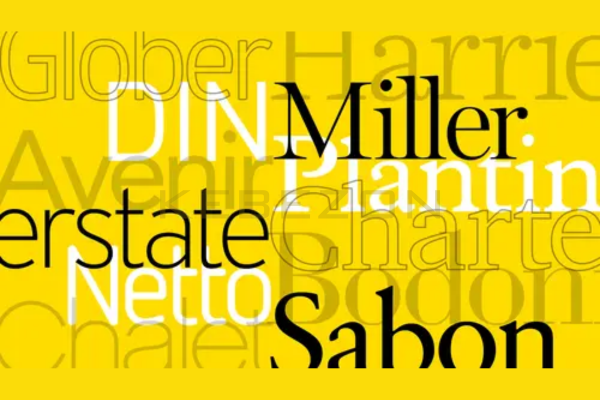
Pairing Typefaces: Tips for Combining Fonts with Michael Stinson
Original price was: 14,00 $.5,00 $Current price is: 5,00 $.
Download Pairing Typefaces: Tips for Combining Fonts with Michael Stinson, check content proof here:
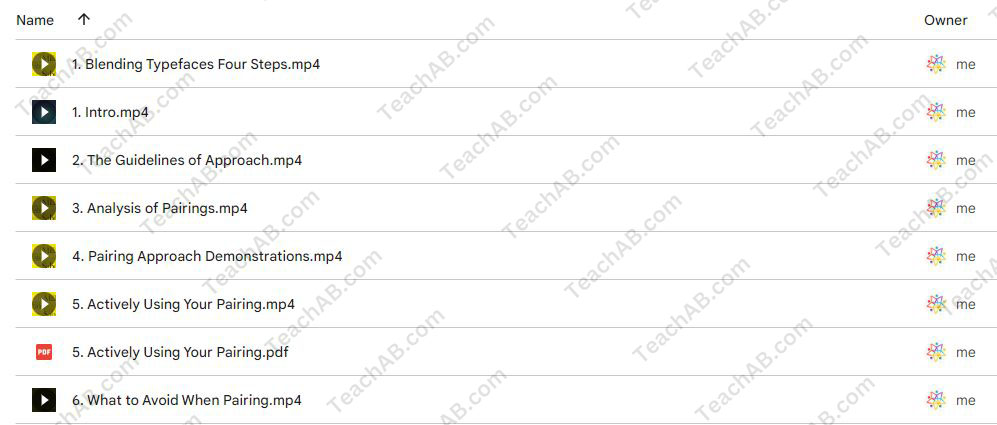
Pairing Typefaces: Tips for Combining Fonts
Introduction
In the world of design, typography plays a crucial role in communicating a message effectively. The right combination of fonts can elevate a design from mundane to extraordinary, while poor font choices can detract from the intended impact. This delicate dance between typefaces is the focal point of the pairing typefaces: tips for combining fonts course by Michael Stinson, a visionary in the realm of creative direction.
As the creative director at Ramp Creative and instructional director for TypeEd, Stinson tackles the perennial question that haunts both novice and seasoned designers alike: “Which font should I use with this?” This article explores the key takeaways from Stinson’s insightful course, offering valuable tips for font pairing that can significantly enhance your design prowess.
Understanding Typeface Classifications
To effectively combine fonts, it is essential first to understand the various type classifications. Michael Stinson emphasizes this foundational knowledge as the bedrock of effective typography. Fonts are typically categorized into several groups, such as serif, sans-serif, script, and display. Each classification offers its distinct character and emotional tone.
Serif and Sans-Serif
- Serif: These typefaces, characterized by small lines at the ends of characters, evoke tradition and seriousness. Fonts like Times New Roman and Georgia are classic examples. They work excellently for print materials, imparting a sense of trust and reliability.
- Sans-Serif: These fonts, devoid of serifs, present a modern, clean look. Examples include Arial and Helvetica. They are often used in digital designs, providing clarity and minimalism.
Script and Display Fonts
- Script Fonts: Mimicking handwritten text, these fonts add a personal touch and are frequently used for invitations and branding. While they are beautiful, they should be used sparingly to maintain legibility.
- Display Fonts: These are unique and artistic fonts designed for headlines. They grab attention but may not be suitable for body text due to their stylized nature.
The Power of Mixed Styles
Understanding these classifications is not just an academic exercise; it is a strategic tool that designers can wield to create visually compelling compositions. Stinson encourages mixing different styles thoughtfully to create a balance between formality and playfulness, seriousness and whimsy. For instance, pairing a serif body text with a bold sans-serif headline can create an engaging contrast that draws the viewer’s eye and enhances the message.
Techniques for Effective Font Pairing
Once designers grasp the theory behind type classifications, the next step is applying this knowledge in practical scenarios. Stinson’s course elaborates on essential techniques that can aid in achieving harmonious font pairings.
The 60-30-10 Rule
One of the most valuable principles discussed is the 60-30-10 Rule, a guideline that helps in determining proportions when choosing colors, and it can be analogously applied to font pairing.
- 60% of the design should be taken up by the primary typeface (often for body text).
- 30% could incorporate a secondary typeface (perhaps for subtitles or captions).
- 10% can be reserved for accent fonts that amplify specific elements, such as callouts or pull quotes.
Contrast and Complement
Another significant aspect is creating contrast without sacrificing harmony. Stinson suggests that designers look for font pairings that provide a sense of balance. A good example can be mixing a thin sans-serif font with a bold serif; like pairing Helvetica Neue for headlines and Merriweather for body text. This creates visual interest and guides the viewer’s journey through the content.
Legibility and Hierarchy
A vital consideration mentioned in the course is legibility. No matter how aesthetically pleasing a font combination may be, if it is difficult to read, its effectiveness plummets. Designers should prioritize visual hierarchy by utilizing varying sizes, weights, and styles to ensure that the most crucial information stands out and is easy to digest.
Common Pitfalls to Avoid
Even seasoned designers can stumble into common pitfalls when combining fonts. Stinson’s course shines a spotlight on these missteps, providing a roadmap to navigate away from them.
Overcomplicating Font Choices
One of the biggest mistakes designers make is using too many different fonts within a single design, which can lead to chaos. Stinson advocates for simplicity. By limiting font choices to just two or three that complement each other, designers can maintain focus and clarity.
Ignoring Brand Voice
Another critical error is neglecting the brand voice when choosing typefaces. Fonts convey emotions and can significantly affect how a brand is perceived. For instance, a playful script font may not be appropriate for a law firm that needs to communicate professionalism and reliability.
Failing to Test Combinations
Stinson emphasizes the importance of testing font combinations in different scenarios. Just because a pairing looks good on paper, it doesn’t guarantee effectiveness in practice. Testing across various mediums be it print, web, or mobile ensures compatibility and enhances usability.
Practical Application: Exercises and Demonstrations
What sets Stinson’s course apart is the integration of practical exercises that allow designers to apply their learning actively. These activities aim to solidify the theoretical knowledge the course provides.
Hands-On Pairing Activities
Participants engage in hands-on activities where they experiment with different pairings based on given themes or moods. For instance, one exercise might involve creating a serene mood using soft, rounded fonts, whereas another might challenge them to evoke excitement through bold, angular typefaces.
Analyzing Successful Pairings
Stinson also incorporates case studies where students analyze successful pairings in professional settings. Discussing modern branding examples from Coca-Cola’s classic script to Slack’s clean type reinforces the practical application of the taught principles and fosters a deeper understanding of typography’s role in effective communication.
Peer Feedback
A unique aspect of the course is the emphasis on peer feedback, fostering a community where designers can share their work, critique each other’s choices, and learn collectively. This open exchange not only enhances individual skills but also cultivates a vibrant design community.
Conclusion
In conclusion, the pairing typefaces: tips for combining fonts course by Michael Stinson stands as a beacon for designers seeking to enhance their typography skills. Through a thorough understanding of typeface classifications, effective application techniques, and avoidance of common pitfalls, participants can cultivate an awareness that enriches their design capabilities.
With thoughtful pairing, designers can create visual narratives that resonate, ensuring that their work stands out in a crowded marketplace. This course, with its blend of theoretical knowledge and practical application, is undoubtedly a valuable resource for anyone looking to master the art of typography.
Frequently Asked Questions:
Business Model Innovation:
Embrace the concept of a legitimate business! Our strategy revolves around organizing group buys where participants collectively share the costs. The pooled funds are used to purchase popular courses, which we then offer to individuals with limited financial resources. While the authors of these courses might have concerns, our clients appreciate the affordability and accessibility we provide.
The Legal Landscape:
The legality of our activities is a gray area. Although we don’t have explicit permission from the course authors to resell the material, there’s a technical nuance involved. The course authors did not outline specific restrictions on resale when the courses were purchased. This legal nuance presents both an opportunity for us and a benefit for those seeking affordable access.
Quality Assurance: Addressing the Core Issue
When it comes to quality, purchasing a course directly from the sale page ensures that all materials and resources are identical to those obtained through traditional channels.
However, we set ourselves apart by offering more than just personal research and resale. It’s important to understand that we are not the official providers of these courses, which means that certain premium services are not included in our offering:
- There are no scheduled coaching calls or sessions with the author.
- Access to the author’s private Facebook group or web portal is not available.
- Membership in the author’s private forum is not included.
- There is no direct email support from the author or their team.
We operate independently with the aim of making courses more affordable by excluding the additional services offered through official channels. We greatly appreciate your understanding of our unique approach.
Be the first to review “Pairing Typefaces: Tips for Combining Fonts with Michael Stinson”
You must be logged in to post a review.
Related products
Original price was: 14,00 $.5,00 $Current price is: 5,00 $.

Original price was: 29,00 $.8,00 $Current price is: 8,00 $.

Original price was: 29,00 $.8,00 $Current price is: 8,00 $.

Original price was: 14,00 $.5,00 $Current price is: 5,00 $.
Original price was: 29,00 $.8,00 $Current price is: 8,00 $.

Original price was: 29,00 $.8,00 $Current price is: 8,00 $.
Original price was: 299,00 $.5,00 $Current price is: 5,00 $.
Reviews
There are no reviews yet.