
-
×
 Alkaline Awakening with Revival Of Wisdom
1 × 5,00 $
Alkaline Awakening with Revival Of Wisdom
1 × 5,00 $ -
×
 Four Steps to Encreasing Intuition with Court of Atonement
1 × 8,00 $
Four Steps to Encreasing Intuition with Court of Atonement
1 × 8,00 $ -
×
 Girlfriend In A Week System with Jonathan Green
1 × 5,00 $
Girlfriend In A Week System with Jonathan Green
1 × 5,00 $ -
×
 Olde English Abbey Composite Stock Assets 1 with Clinton Lofthouse
1 × 8,00 $
Olde English Abbey Composite Stock Assets 1 with Clinton Lofthouse
1 × 8,00 $ -
×
 Historic English Abbey Composite Stock Assets 2 with Clinton Lofthouse
1 × 8,00 $
Historic English Abbey Composite Stock Assets 2 with Clinton Lofthouse
1 × 8,00 $ -
×
 The Art Of Shaping Hard Light with Jason Buff
1 × 8,00 $
The Art Of Shaping Hard Light with Jason Buff
1 × 8,00 $ -
×
 Spirit Guidance & Sacred Sutras with Deborah King
1 × 31,00 $
Spirit Guidance & Sacred Sutras with Deborah King
1 × 31,00 $ -
×
 B25 Super Block 2023 by Shaun T
1 × 5,00 $
B25 Super Block 2023 by Shaun T
1 × 5,00 $ -
×
 Power of 2 Marriage Skills Workshop with Susan Heitler & Abigail Hirsch
1 × 8,00 $
Power of 2 Marriage Skills Workshop with Susan Heitler & Abigail Hirsch
1 × 8,00 $ -
×
 Start to Finish - Virtual Riot Style Riddim with Dan Larsson
1 × 11,00 $
Start to Finish - Virtual Riot Style Riddim with Dan Larsson
1 × 11,00 $ -
×
 Business by Design: Journey By Unlock Your Design Academy
1 × 23,00 $
Business by Design: Journey By Unlock Your Design Academy
1 × 23,00 $ -
×
 StyleLife - 31 Day Master Program: Online Academy for Attraction with Neil Strauss
1 × 5,00 $
StyleLife - 31 Day Master Program: Online Academy for Attraction with Neil Strauss
1 × 5,00 $ -
×
 The Truth About Cancer Eastern Medicine – Gold Edition
1 × 23,00 $
The Truth About Cancer Eastern Medicine – Gold Edition
1 × 23,00 $ -
×
 IFS & The Treatment of Addictions: Biology, Healing and Habits with Frank Anderson - PESI
1 × 15,00 $
IFS & The Treatment of Addictions: Biology, Healing and Habits with Frank Anderson - PESI
1 × 15,00 $ -
×
 Ultimate Family Karma Clearing (Package A+B) with Bonnie Serratore
1 × 31,00 $
Ultimate Family Karma Clearing (Package A+B) with Bonnie Serratore
1 × 31,00 $ -
×
 Human Health Guide 2.0 with Revival Of Wisdom
1 × 5,00 $
Human Health Guide 2.0 with Revival Of Wisdom
1 × 5,00 $ -
×
 Penis Enlargement & Virtual Viagra with Wendi Friesen
1 × 5,00 $
Penis Enlargement & Virtual Viagra with Wendi Friesen
1 × 5,00 $ -
×
 Erection Enhancement with Charles Runels
1 × 5,00 $
Erection Enhancement with Charles Runels
1 × 5,00 $ -
×
 Sacred Evidence-Based Mediumship with Suzanne Giesemann - The Shift Network
1 × 46,00 $
Sacred Evidence-Based Mediumship with Suzanne Giesemann - The Shift Network
1 × 46,00 $ -
×
 xShot Email Method Course
1 × 5,00 $
xShot Email Method Course
1 × 5,00 $ -
×
 Business by Design: Strategy & Authority By Unlock Your Design Academy
1 × 23,00 $
Business by Design: Strategy & Authority By Unlock Your Design Academy
1 × 23,00 $ -
×
 The Silverback Seduction System by Shane Stanfield
1 × 5,00 $
The Silverback Seduction System by Shane Stanfield
1 × 5,00 $ -
×
 CRUX Blueprint – Get My Brand with Tony Shepherd
1 × 5,00 $
CRUX Blueprint – Get My Brand with Tony Shepherd
1 × 5,00 $ -
×
 The Healing Power of Water with Edward Group
1 × 69,00 $
The Healing Power of Water with Edward Group
1 × 69,00 $ -
×
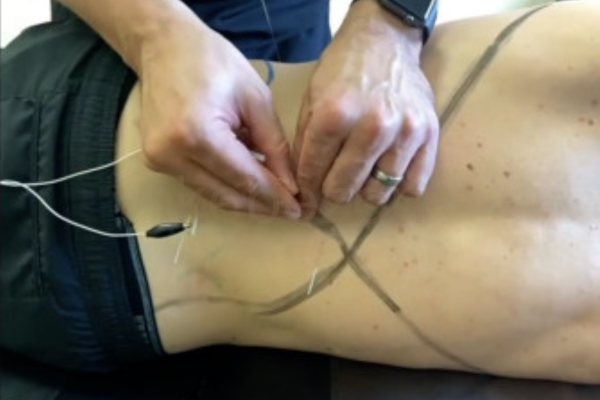 Assessment & Treatment of Sacroiliac Joint Dysfunction & Sacroiliitis - Anthony Lombardi
1 × 46,00 $
Assessment & Treatment of Sacroiliac Joint Dysfunction & Sacroiliitis - Anthony Lombardi
1 × 46,00 $ -
×
 Hidden Woodland Beaches And Waterfalls Composite Stock Assets with Clinton Lofthouse
1 × 8,00 $
Hidden Woodland Beaches And Waterfalls Composite Stock Assets with Clinton Lofthouse
1 × 8,00 $ -
×
 Ancestral Healing Course with Teal Swan
1 × 28,00 $
Ancestral Healing Course with Teal Swan
1 × 28,00 $ -
×
 Workshop: Breakthrough Or Bust: Cut Through The Marketing Noise with Customer-Centric Emails - Joanna Wiebe
1 × 5,00 $
Workshop: Breakthrough Or Bust: Cut Through The Marketing Noise with Customer-Centric Emails - Joanna Wiebe
1 × 5,00 $ -
×
 The Woman’s Vitality Summit
1 × 5,00 $
The Woman’s Vitality Summit
1 × 5,00 $ -
×
 Robert Wallerstein: 65 Years at the Center of Psychoanalysis with Shelley Nathans
1 × 8,00 $
Robert Wallerstein: 65 Years at the Center of Psychoanalysis with Shelley Nathans
1 × 8,00 $ -
×
 Memory (On-Demand) Licensed Instructor Course (TBLI) 24/7 with Marek Kasperski
1 × 241,00 $
Memory (On-Demand) Licensed Instructor Course (TBLI) 24/7 with Marek Kasperski
1 × 241,00 $ -
×
 The Climber’s Theory
1 × 5,00 $
The Climber’s Theory
1 × 5,00 $ -
×
 EXSTORE Orthopedic System Online Training - Anthony Lombardi
1 × 389,00 $
EXSTORE Orthopedic System Online Training - Anthony Lombardi
1 × 389,00 $ -
×
 The Handsome Factor Guidance For Every Alpha Male with Mark Belmont
1 × 5,00 $
The Handsome Factor Guidance For Every Alpha Male with Mark Belmont
1 × 5,00 $ -
×
 Bio-Dynamic Nutrition with Edward Group
1 × 69,00 $
Bio-Dynamic Nutrition with Edward Group
1 × 69,00 $ -
×
 Psychiatric Diagnosis and Interviewing with Jason Buckles & Victor Yalom
1 × 8,00 $
Psychiatric Diagnosis and Interviewing with Jason Buckles & Victor Yalom
1 × 8,00 $ -
×
 How I make $15K+ per week with Simple Software - Secret Marketer
1 × 5,00 $
How I make $15K+ per week with Simple Software - Secret Marketer
1 × 5,00 $ -
×
 Schema therapy step by step - Remco van der Wijngaart and Hannie van Genderen
1 × 39,00 $
Schema therapy step by step - Remco van der Wijngaart and Hannie van Genderen
1 × 39,00 $ -
×
 Rapid Escalation by Liam McRae
1 × 5,00 $
Rapid Escalation by Liam McRae
1 × 5,00 $ -
×
 Start to Finish - Barely Alive Style Dubstep XTRA with Dan Larsson
1 × 23,00 $
Start to Finish - Barely Alive Style Dubstep XTRA with Dan Larsson
1 × 23,00 $ -
×
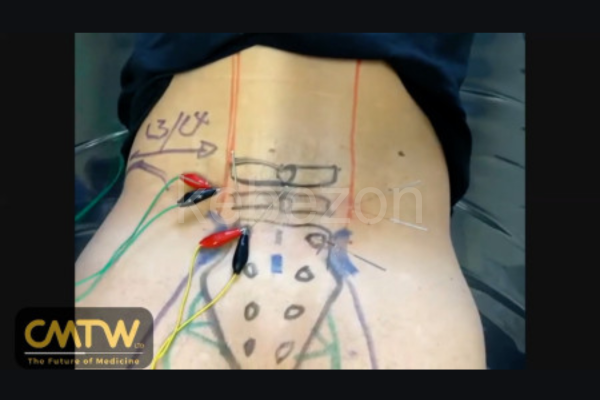 Assessment & Treatment of Lumbar Spinal Stenosis Using Electro-Acupuncture - Anthony Lombardi
1 × 46,00 $
Assessment & Treatment of Lumbar Spinal Stenosis Using Electro-Acupuncture - Anthony Lombardi
1 × 46,00 $ -
×
 Method Self-Study by Yes Supply
1 × 23,00 $
Method Self-Study by Yes Supply
1 × 23,00 $ -
×
 Dappled Light Forest Composite Stock Assets with Clinton Lofthouse
1 × 8,00 $
Dappled Light Forest Composite Stock Assets with Clinton Lofthouse
1 × 8,00 $ -
×
 Unveil the Power of Your Presence With Deep-Clearing EFT - Mary Sise
1 × 62,00 $
Unveil the Power of Your Presence With Deep-Clearing EFT - Mary Sise
1 × 62,00 $ -
×
 Noisia Style Neuro Drum and Bass Start to Finish with Dan Larsson
1 × 15,00 $
Noisia Style Neuro Drum and Bass Start to Finish with Dan Larsson
1 × 15,00 $ -
×
 Powerful Ideas for Developing Your Best Therapeutic Self with Victor Yalom
1 × 8,00 $
Powerful Ideas for Developing Your Best Therapeutic Self with Victor Yalom
1 × 8,00 $ -
×
 Strategies of a Winning Trader 2023 with Gareth Soloway
1 × 209,00 $
Strategies of a Winning Trader 2023 with Gareth Soloway
1 × 209,00 $ -
×
 The Feldenkrais Method to Reawaken Your Body By Lavinia Plonka - The Shift Network
1 × 69,00 $
The Feldenkrais Method to Reawaken Your Body By Lavinia Plonka - The Shift Network
1 × 69,00 $ -
×
 The Tao Yin Online Course with Lee Holden
1 × 139,00 $
The Tao Yin Online Course with Lee Holden
1 × 139,00 $ -
×
 GearGods Presents: Mastering Metal Mixing: Fundamentals with Eyal Levi
1 × 5,00 $
GearGods Presents: Mastering Metal Mixing: Fundamentals with Eyal Levi
1 × 5,00 $ -
×
 Urban Explorer with Clinton Lofthouse
1 × 8,00 $
Urban Explorer with Clinton Lofthouse
1 × 8,00 $ -
×
 Hidden Burial Ground Composite Stock Assets with Clinton Lofthouse
1 × 8,00 $
Hidden Burial Ground Composite Stock Assets with Clinton Lofthouse
1 × 8,00 $ -
×
 The Winds Of Change with Arash Dibazar
1 × 5,00 $
The Winds Of Change with Arash Dibazar
1 × 5,00 $ -
×
 How to Cultivate the Mind of the Warrior - David Goggins
1 × 5,00 $
How to Cultivate the Mind of the Warrior - David Goggins
1 × 5,00 $ -
×
 Textures Rural Composite Stock Assets with Clinton Lofthouse
1 × 8,00 $
Textures Rural Composite Stock Assets with Clinton Lofthouse
1 × 8,00 $ -
×
 Puerto Rico Influencer Event 2 | Photography Podcast Interviews with Gary Martin
1 × 8,00 $
Puerto Rico Influencer Event 2 | Photography Podcast Interviews with Gary Martin
1 × 8,00 $ -
×
 Urotherapy: The Ancient Art of Self-Healing - Edward Group
1 × 69,00 $
Urotherapy: The Ancient Art of Self-Healing - Edward Group
1 × 69,00 $ -
×
 Traktor Pro Advanced Techniques with Nick Trikakis
1 × 5,00 $
Traktor Pro Advanced Techniques with Nick Trikakis
1 × 5,00 $ -
×
 Fuck The Friend Zone: How To Fuck Your Girl Friend, And Add Passion Back Into Your Long Term Relationship by Vin DiCarlo
1 × 5,00 $
Fuck The Friend Zone: How To Fuck Your Girl Friend, And Add Passion Back Into Your Long Term Relationship by Vin DiCarlo
1 × 5,00 $ -
×
 Smarter Not Harder with Dave Asprey
1 × 5,00 $
Smarter Not Harder with Dave Asprey
1 × 5,00 $ -
×
 High Status Seduction with PUA Training
1 × 5,00 $
High Status Seduction with PUA Training
1 × 5,00 $ -
×
 Social Training Lab Mentorship with Bobby Rio
1 × 5,00 $
Social Training Lab Mentorship with Bobby Rio
1 × 5,00 $ -
×
 Isle of Skye Rolling Seaside Composite Stock Assets with Clinton Lofthouse
1 × 8,00 $
Isle of Skye Rolling Seaside Composite Stock Assets with Clinton Lofthouse
1 × 8,00 $



Thomas Szasz on The Myth of Mental Illness with Thomas Szasz
Original price was: 39,00 $.8,00 $Current price is: 8,00 $.
Download Thomas Szasz on The Myth of Mental Illness with Thomas Szasz, check content proof here:

The Myth of Mental Illness and Thomas Szasz
In his groundbreaking 1960 book “The Myth of Mental Illness,” Thomas Szasz makes a compelling case against the accepted wisdom on mental health. According to Szasz, mental illness is a social construct with underlying sociopolitical purposes rather than a valid medical diagnostic. By characterizing some acts as illnesses, society unintentionally deprives people of their independence and accountability. This article explores Szasz’s viewpoints, the ways in which his research has influenced contemporary psychiatry, and the current discussions around mental health, individuality, and social control.
The Controversial Nature of Mental Illness
Szasz famously claimed that what society labels as mental illnesses are not actual medical conditions. Rather, they are manifestations of human behavior that reflect personal or social conflicts. By categorizing these behaviors as “disordered,” society risks imposing a structure that pathologizes the natural human experience, leading to stigmatization and infringing on individual freedoms. For Szasz, mental illness is not a biological or pathological condition but a metaphorical label applied to behaviors some may find troubling or uncomfortable.
The Effects of Medicalization
In Szasz’s theories, the medicalization of nonconformity becomes a major worry. By labeling such actions as “sick,” society offers a covert kind of social control. Ethical concerns about the power dynamics present in psychiatric practice are brought up by this mechanism. In the process, affected people frequently lose their agency and become passive recipients of labels and therapies that are imposed upon them. In addition to undermining individual accountability, Szasz contends that this pave the way for coercive tactics like forced hospitalization.
The disturbing fact that results from this paradox is that therapy and control are not always clear, which emphasizes how urgently psychiatric methods need to change. Under the pretense of compassion and care, such forceful techniques are frequently justified; however, Szasz opposes this viewpoint by promoting a mental health paradigm that values each person’s autonomy and agency. This paradigm change is essential because it fosters a context in which communication and understanding take the place of forceful measures.
Perceptions of Mental Illness Over Time
As Szasz developed his ideas, he encountered fierce opposition from psychiatric professionals who accused him of being dismissive of genuine psychological suffering. Critics argue that his stance could downplay the complexities of mental health disorders and the genuine distress experienced by many individuals. However, this criticism only adds layers to the discourse surrounding mental health, highlighting the need for a balanced approach that acknowledges the myriad experiences of mental distress.
To illustrate Szasz’s impact and the ongoing debates, consider the following points of comparison between traditional psychiatry and Szasz’s critique:
| Aspect | Traditional Psychiatry | Szasz’s Perspective |
| Definition of Illness | Biological and pathological | Social construct; metaphorical |
| Treatment Approach | Medical intervention and medication | Understanding and support instead of treatment |
| Concept of Responsibility | Patients as passive recipients | Individuals as active agents |
| Role of Society | Enforces norms through treatment | Critiques societal control |
The Crucial Function of Agency
Szasz makes a strong case for the significance of considering people to be active participants in their stories. According to him, calling someone “mentally ill” minimizes their capacity for self-accountability and overcoming obstacles in life. Rather of being medicalized to the point of undermining their abilities and qualities, people should be supported in their problems.
The Moral Conundrums in Therapy
Szasz’s criticisms highlight important moral conundrums in psychiatric treatments. For example, many people in mental distress sincerely want support and understanding, but when they are labeled mentally ill, they frequently become trapped in a system that places a more priority on conformity **********standing. Consent and the morality of involuntary treatment scenarios, in which people are denied their rights in the sake of preserving their wellness, are called into doubt by this.
This critique’s wider ramifications are relevant in today’s society. The critical aspect of Szasz’s work is reflected in discussions around mental health laws, the rights of those undergoing treatment, and the movement for more compassionate methods. As a society, we have to think about how to help people while maintaining their independence.
Challenging Conventional Approaches
Culturally, Szasz’s ideas encourage a reevaluation of how we perceive mental health issues. They challenge existing paradigms within the field of psychiatry and prompt us to consider the cultural and philosophical dimensions of mental distress. While traditional psychiatry focuses on symptoms rooted in medical explanations, Szasz advocates for a model that recognizes the complexities surrounding mental health influenced by societal expectations and cultural narratives.
The discourse initiated by Szasz continues to be significant in addressing contemporary mental health issues particularly the stigmatization of behaviors that deviate from the norm. By promoting a broader understanding of human experiences, we can facilitate more compassionate and effective support systems that honor the unique narratives of individuals grappling with mental distress.
In conclusion
“The Myth of Mental Illness” by Thomas Szasz is a seminal indictment of the psychiatric establishment and a plea for a better comprehension of human nature. His observations force us to reevaluate how we handle mental health, highlighting the need of recognizing personal agency and the perils of social control masquerading as medical treatment. Szasz’s work remains relevant as we negotiate the complexity of mental health in the modern world, fostering continuous discussions about the morality of psychiatric labeling and the significance of upholding individual autonomy in our quest for knowledge and assistance. A more compassionate and inclusive society where each person’s perspective is acknowledged and appreciated depends on this continuous conversation.
Frequently Asked Questions:
Business Model Innovation:
Embrace the concept of a legitimate business! Our strategy revolves around organizing group buys where participants collectively share the costs. The pooled funds are used to purchase popular courses, which we then offer to individuals with limited financial resources. While the authors of these courses might have concerns, our clients appreciate the affordability and accessibility we provide.
The Legal Landscape:
The legality of our activities is a gray area. Although we don’t have explicit permission from the course authors to resell the material, there’s a technical nuance involved. The course authors did not outline specific restrictions on resale when the courses were purchased. This legal nuance presents both an opportunity for us and a benefit for those seeking affordable access.
Quality Assurance: Addressing the Core Issue
When it comes to quality, purchasing a course directly from the sale page ensures that all materials and resources are identical to those obtained through traditional channels.
However, we set ourselves apart by offering more than just personal research and resale. It’s important to understand that we are not the official providers of these courses, which means that certain premium services are not included in our offering:
- There are no scheduled coaching calls or sessions with the author.
- Access to the author’s private Facebook group or web portal is not available.
- Membership in the author’s private forum is not included.
- There is no direct email support from the author or their team.
We operate independently with the aim of making courses more affordable by excluding the additional services offered through official channels. We greatly appreciate your understanding of our unique approach.
Be the first to review “Thomas Szasz on The Myth of Mental Illness with Thomas Szasz”
You must be logged in to post a review.
Related products
Original price was: 25,00 $.8,00 $Current price is: 8,00 $.
Original price was: 29,00 $.8,00 $Current price is: 8,00 $.

Original price was: 39,00 $.8,00 $Current price is: 8,00 $.

Original price was: 39,00 $.8,00 $Current price is: 8,00 $.

Original price was: 34,00 $.8,00 $Current price is: 8,00 $.



Reviews
There are no reviews yet.