
-
×
 The Screenwriters Toolkit with Jim Uhls
1 × 5,00 $
The Screenwriters Toolkit with Jim Uhls
1 × 5,00 $ -
×
 Hiring Product Marketers with Leo Castro
1 × 39,00 $
Hiring Product Marketers with Leo Castro
1 × 39,00 $ -
×
 Matters of Size: The Ultimate Guide to Enlargement
1 × 5,00 $
Matters of Size: The Ultimate Guide to Enlargement
1 × 5,00 $ -
×
 Rainmaker Novation 3.0 - Richard Wonders
1 × 31,00 $
Rainmaker Novation 3.0 - Richard Wonders
1 × 31,00 $ -
×
 Mental Model Club Library By Michael Simmos
1 × 15,00 $
Mental Model Club Library By Michael Simmos
1 × 15,00 $ -
×
 GMBs Verification 2024
1 × 5,00 $
GMBs Verification 2024
1 × 5,00 $ -
×
 Hypnopower - Learn and Master Self-Hypnosis To Reach Your Goals - Alexander Fidelman
1 × 139,00 $
Hypnopower - Learn and Master Self-Hypnosis To Reach Your Goals - Alexander Fidelman
1 × 139,00 $ -
×
 Steps to Everyday Productivity - April and Eric Perry
1 × 22,00 $
Steps to Everyday Productivity - April and Eric Perry
1 × 22,00 $ -
×
 The Power of Decision with Raymond Charles Barker
1 × 5,00 $
The Power of Decision with Raymond Charles Barker
1 × 5,00 $ -
×
 Google Tag Manager for Beginners with Chris "Mercer" Mercer
1 × 39,00 $
Google Tag Manager for Beginners with Chris "Mercer" Mercer
1 × 39,00 $ -
×
 Build and Sell APIs – Establish a New Income Stream!
1 × 5,00 $
Build and Sell APIs – Establish a New Income Stream!
1 × 5,00 $ -
×
 Double Your Freelancing Rate 2024 with Brennan Dunn
1 × 5,00 $
Double Your Freelancing Rate 2024 with Brennan Dunn
1 × 5,00 $ -
×
 Super Learning Master Class with Howard Berg
1 × 5,00 $
Super Learning Master Class with Howard Berg
1 × 5,00 $ -
×
 Nikon D3100 / D3200 / D3300 Fast Start By John Greengo
1 × 6,00 $
Nikon D3100 / D3200 / D3300 Fast Start By John Greengo
1 × 6,00 $ -
×
 Burn the Fat, Feed the Muscle Transform Your Body Forever Using the Secrets of the Leanest People in the World - Tom Venuto
1 × 5,00 $
Burn the Fat, Feed the Muscle Transform Your Body Forever Using the Secrets of the Leanest People in the World - Tom Venuto
1 × 5,00 $ -
×
 The Passive Project with Gemma Bonham-Carter
1 × 25,00 $
The Passive Project with Gemma Bonham-Carter
1 × 25,00 $ -
×
 New Workout Program with Caliathletics
1 × 5,00 $
New Workout Program with Caliathletics
1 × 5,00 $ -
×
 The Teasing Method - Tease Her Until She Explodes: The Ultimate Guide to Going Down on a Woman by John S
1 × 5,00 $
The Teasing Method - Tease Her Until She Explodes: The Ultimate Guide to Going Down on a Woman by John S
1 × 5,00 $ -
×
 Positive Psychology and Psychotherapy with Martin Seligman
1 × 8,00 $
Positive Psychology and Psychotherapy with Martin Seligman
1 × 8,00 $ -
×
 Affiliate Millions
1 × 5,00 $
Affiliate Millions
1 × 5,00 $ -
×
 AI Client Goldmine with Offline Sharks
1 × 5,00 $
AI Client Goldmine with Offline Sharks
1 × 5,00 $ -
×
 Ormus Protocol (Advanced) by Spirituality Zone
1 × 11,00 $
Ormus Protocol (Advanced) by Spirituality Zone
1 × 11,00 $ -
×
 Hypnotica DeluxeBundle
1 × 5,00 $
Hypnotica DeluxeBundle
1 × 5,00 $ -
×
 Triple Cash E-Book with Amanda Craven
1 × 5,00 $
Triple Cash E-Book with Amanda Craven
1 × 5,00 $ -
×
 AI Disruptor 2.0 - James Renouf and Dave Espino
1 × 5,00 $
AI Disruptor 2.0 - James Renouf and Dave Espino
1 × 5,00 $ -
×
 The 12-Week Rapid Transformation Intensive by Benjamin Hardy
1 × 25,00 $
The 12-Week Rapid Transformation Intensive by Benjamin Hardy
1 × 25,00 $ -
×
 The CEO Club with Jamie Sea
1 × 29,00 $
The CEO Club with Jamie Sea
1 × 29,00 $ -
×
 Diagnosis and Treatment of Muscle Imbalances - Shirley Sahrmann
1 × 23,00 $
Diagnosis and Treatment of Muscle Imbalances - Shirley Sahrmann
1 × 23,00 $ -
×
 Mini MBA in Brand Management with Mark Ritson
1 × 31,00 $
Mini MBA in Brand Management with Mark Ritson
1 × 31,00 $ -
×
 The Unchained Man: The Alpha Male 2.0 with Caleb Jones
1 × 5,00 $
The Unchained Man: The Alpha Male 2.0 with Caleb Jones
1 × 5,00 $ -
×
 Teaches Values-Driven Leadership with Mike Krzyzewski - MasterClass
1 × 6,00 $
Teaches Values-Driven Leadership with Mike Krzyzewski - MasterClass
1 × 6,00 $ -
×
 7 Day Yoga Cut - High Intensity Interval Yoga - Tyler McCoy
1 × 5,00 $
7 Day Yoga Cut - High Intensity Interval Yoga - Tyler McCoy
1 × 5,00 $ -
×
 Celebrate With Cookies: 19 Favorite Designs with Anne Yorks
1 × 5,00 $
Celebrate With Cookies: 19 Favorite Designs with Anne Yorks
1 × 5,00 $ -
×
 Sixty Years of Challenge - More Numbers, Less Flakes
1 × 5,00 $
Sixty Years of Challenge - More Numbers, Less Flakes
1 × 5,00 $ -
×
 Band Based Mobility Program - Aaron Alexander
1 × 5,00 $
Band Based Mobility Program - Aaron Alexander
1 × 5,00 $ -
×
 Scrape Apollo + Lead Formatter By Sean Longden
1 × 23,00 $
Scrape Apollo + Lead Formatter By Sean Longden
1 × 23,00 $ -
×
 Hypnotic Seduction by George Hutton
1 × 20,00 $
Hypnotic Seduction by George Hutton
1 × 20,00 $ -
×
 Cookie Decorating Season By Season By Anne Yorks
1 × 5,00 $
Cookie Decorating Season By Season By Anne Yorks
1 × 5,00 $ -
×
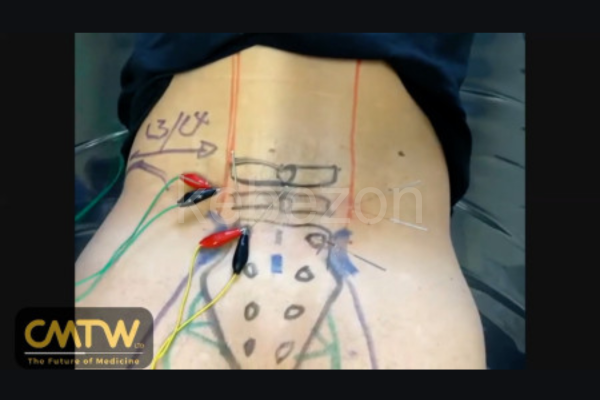 Assessment & Treatment of Lumbar Spinal Stenosis Using Electro-Acupuncture - Anthony Lombardi
1 × 46,00 $
Assessment & Treatment of Lumbar Spinal Stenosis Using Electro-Acupuncture - Anthony Lombardi
1 × 46,00 $ -
×
 7-STEP VIDEO TOOLKIT - SIDEHUSTLE NINJA PRO
1 × 5,00 $
7-STEP VIDEO TOOLKIT - SIDEHUSTLE NINJA PRO
1 × 5,00 $ -
×
 Shamanic Plant Spirit Initiations with Emma Fitchett - The Shift Network
1 × 54,00 $
Shamanic Plant Spirit Initiations with Emma Fitchett - The Shift Network
1 × 54,00 $ -
×
 Your First Auction Deal 2023 with Touchstone Education
1 × 139,00 $
Your First Auction Deal 2023 with Touchstone Education
1 × 139,00 $ -
×
 How I make $15K+ per week with Simple Software - Secret Marketer
1 × 5,00 $
How I make $15K+ per week with Simple Software - Secret Marketer
1 × 5,00 $ -
×
 Clean Eating 101 with James Smith
1 × 6,00 $
Clean Eating 101 with James Smith
1 × 6,00 $ -
×
 Thoughts and Intentions with Court of Atonement
1 × 8,00 $
Thoughts and Intentions with Court of Atonement
1 × 8,00 $ -
×
 Amazing Arms Upper Body Workouts - The Banks Method With Banks Cooney
1 × 6,00 $
Amazing Arms Upper Body Workouts - The Banks Method With Banks Cooney
1 × 6,00 $ -
×
 Method Self-Study by Yes Supply
1 × 23,00 $
Method Self-Study by Yes Supply
1 × 23,00 $ -
×
 Puerto Rico Influencer Event 2 | Photography Podcast Interviews with Gary Martin
1 × 8,00 $
Puerto Rico Influencer Event 2 | Photography Podcast Interviews with Gary Martin
1 × 8,00 $ -
×
 SEO That Works 4.0 with Brian Dean
1 × 5,00 $
SEO That Works 4.0 with Brian Dean
1 × 5,00 $ -
×
 Dominate: Conquer your fears (Become the man you want to be) - David De Las Morenas
1 × 5,00 $
Dominate: Conquer your fears (Become the man you want to be) - David De Las Morenas
1 × 5,00 $ -
×
 Qi Wild with Sara Allen
1 × 31,00 $
Qi Wild with Sara Allen
1 × 31,00 $ -
×
 How To Get Your Clients To Send You More Clients with Maria Wendt
1 × 5,00 $
How To Get Your Clients To Send You More Clients with Maria Wendt
1 × 5,00 $ -
×
 Improve Your Posture with Subliminal Guru
1 × 4,00 $
Improve Your Posture with Subliminal Guru
1 × 4,00 $ -
×
 Tradacc – The Volume Profile Formula + Futures Masterclass and Rapid Setups Pack + S&P 500 Secrets Bundle - Aaron Korbs
1 × 5,00 $
Tradacc – The Volume Profile Formula + Futures Masterclass and Rapid Setups Pack + S&P 500 Secrets Bundle - Aaron Korbs
1 × 5,00 $ -
×
 X-Guard with Rafael Costa
1 × 6,00 $
X-Guard with Rafael Costa
1 × 6,00 $



Evidence-Based Treatment Planning for Depression with Timothy Bruce & Arthur Jongsma
Original price was: 49,00 $.8,00 $Current price is: 8,00 $.
Download Evidence-Based Treatment Planning for Depression with Timothy Bruce & Arthur Jongsma, check content proof here:
A Thorough Analysis of Evidence-Based Treatment Planning for Depression
Overview
Finding compassionate and successful treatment methods is more important than ever in a society where mental health issues are becoming more and more common. For mental health professionals navigating the murky seas of depressive illnesses, Drs. Timothy Bruce and Arthur Jongsma’s Evidence-Based Treatment Planning for Depression series provides a ray of hope. This resource offers a systematic approach to developing customized treatment programs for those struggling with depression, with a focus on empirical support and an integrative framework. Their perceptive approach is a vital resource for therapists looking to advance their clinical abilities as it not only rests on a solid scientific base but also closes the gap between theory and practice.
The series is distinguished by its painstaking attention to the empirical aspect of treatment, emphasizing crucial elements including diagnosis, treatment objectives, and successful treatments. Every session includes hands-on demonstrations, providing a concrete link between clinical application and proven research. A key component of therapeutic efficacy is the development of enduring, meaningful connections with clients, which practitioners are equipped to do through the lens of evidence-based practices.
Furthermore, the focus on practical application is what distinguishes this series. Viewers are transformed from passive information consumers into active learners who are taking in the subtleties of evidence-based therapies thanks to clinical demonstrations and knowledgeable discussion. When combined with the accompanying workbook, which summarizes important conversations and promotes interactive learning, Bruce and Jongsma’s work becomes a comprehensive tool that promotes development and comprehension in mental health procedures.
The Structure of Evidence-Based Treatment Planning
Key Components of Treatment Planning
The creation of effective treatment plans hinges upon clear, structured components. Drs. Bruce and Jongsma meticulously outline these key elements, thus ensuring that practitioners grasp the critical facets of treatment planning. Herein lies the fundamental components:
- Diagnosis: Understanding the specific type and severity of depression is paramount. Practitioners are encouraged to utilize the DSM criteria effectively, ensuring they accurately identify the patient’s condition.
- Defining Treatment Goals: Treatment should always be directed toward achieving specific, measurable goals that resonate with the individual’s experiences and aspirations.
- Choosing Appropriate Interventions: This is where the series shines, presenting empirically supported treatments (ESTs) such as cognitive restructuring, behavioral activation, and problem-solving.
Each of these steps represents a crucial piece of a larger puzzle, and when assembled thoughtfully, they lead healthcare professionals toward crafting plans that are not only effective but also personalized.
Insights into Empirically Supported Treatments
The series delves deeply into various empirically supported treatments, offering a rich tapestry of methods that have been shown to yield positive outcomes for individuals battling depression. This exploration includes:
- Cognitive Restructuring: A technique aimed at identifying and altering negative thought patterns, fostering a healthier mental landscape.
- Behavioral Activation: Encouraging individuals to engage in meaningful activities that can improve mood and reduce feelings of inertia.
- Problem-Solving Therapy: Equipping patients with the skills to navigate life’s challenges effectively, empowering them to overcome obstacles proactively.
The inclusion of practical demonstrations allows mental health professionals to visualize how these techniques can be applied, enhancing their capacity for implementation in their own practices. Armed with these strategies, practitioners can approach treatment planning as an art form, blending research-backed methodologies with the unique voice of each individual they serve.
Strategies for Preventing Relapses and Providing Continuous Support
Strong relapse prevention techniques are a fundamental component of successful depression treatment planning. Drs. Bruce and Jongsma stress the value of building resilience and preparing clients for possible setbacks. Relapse prevention that works includes:
- Finding Triggers: By learning to identify personal triggers that might cause depression symptoms to resurface, clients become more aware and prepared to react.
- Building Coping Skills: Giving people the resources they need to deal with stress and overcome obstacles reduces the chance of reoccurring episodes.
- Support Systems: Fostering the development of robust support systems helps clients sustain their development and offer emotional support.
This proactive approach empowers clients to take control of their wellbeing by enhancing their awareness of their mental health and giving them a sense of empowerment. Because mental health is cyclical, it requires constant attention, and developing a framework for preventing relapses is essential to producing long-lasting results.
Examples of Cases: Practical Uses
The addition of case vignettes to the Evidence-Based Treatment Planning series is a major improvement. The practicalities of clinical practice are used to anchor theoretical debates. Viewers gain understanding of the dynamics of treatment by seeing how the described concepts are translated into concrete results through the presentation of real-life experiences.
- Case Example 1: Cognitive restructuring is presented to a client who is suffering from significant depressive illness. By using the approach, the client has the ability to question harmful ideas, which promotes a change in viewpoint that leads to a more positive outlook.
- Case Example 2: Behavioral activation, in which partaking in once-enjoyed activities sparks a rediscovering of purpose and enjoyment, is beneficial for a client who suffers from persistent anxiety and despair.
These anecdotes speak to practitioners and show how evidence-based practices may be used in the real world. They solidify the theoretical information taught in the series, strengthening the practitioner’s abilities and boosting their self-assurance while using these strategies.
The Companion Workbook: A Learning Tool
Enhancing Individual Understanding
The companion workbook included with the series acts as a crucial companion piece designed to enhance individual understanding. A treasure trove of valuable resources, it encapsulates key points discussed in the videos and expands upon them in meaningful ways. Some aspects include:
- Full Transcripts of Vignettes: These transcripts enable practitioners to revisit the discussions and glean insights at their own pace, ensuring comprehension and retention.
- Discussion Questions: Engaging questions foster collaborative learning among peers, pushing the boundaries of understanding through shared insights and collective experiences.
- Self-Assessment Tests: These tests serve as tools for reflection, allowing practitioners to gauge their grasp of the material and identify areas for further growth.
This workbook transforms the educational experience, promoting an interactive and dynamic learning environment. In fostering a deeper grasp of evidence-based practices, it facilitates the training of mental health teams, ensuring that skills are not only learned but internalized and applied effectively.
Cooperation and Enhancement
Working together is essential in the field of mental health. The design of the workbook helps complete mental health teams as well as individual practitioners who want to improve their treatment planning abilities. Experiences with collaborative learning strengthen team interactions while honing the group’s collective knowledge. In a subject where subtleties are crucial, a culture of continual growth is fostered by shared debates about the topic, which promote varied viewpoints.
Connecting Clinical Practice and Research
Filling the Void
The Evidence-Based Treatment Planning for Depression series’ capacity to close the gap between clinical practice and psychotherapy research is arguably one of its most important accomplishments. Even though several studies demonstrate the effectiveness of different therapy approaches, many people still struggle to use this information in their daily lives. In addition to placing these findings in context, Bruce and Jongsma’s work offers the useful resources required for execution.
The techniques practitioners employ are informed by research, but they may find it difficult to close this gap if they are not given instructions on how to use these techniques in a clinical setting. The show provides a clear path from scientific data to successful intervention, demythologizing these relationships.
The Effect on Professionals
The potential for impact increases as practitioners explore the extensive resources offered in this series. They are getting skilled at incorporating research into their care delivery, not just picking up new skills. This development increases self-assurance, which enables therapists to interact with clients more skillfully and encourage successful treatment outcomes. It becomes clear that education and practice are circular, with each learning experience having an impact on the whole therapeutic care landscape as well as on individual talents.
In conclusion
In conclusion, Drs. Timothy Bruce and Arthur Jongsma’s Evidence-Based Treatment Planning for Depression series is a priceless tool for mental health professionals looking to improve their treatment planning skills. The series offers a thorough framework that will be advantageous to practitioners and their clients alike because of its methodical approach, perceptive examples, and incorporation of evidence-based techniques.
Such materials become vital tools in fostering a greater knowledge of depression and the formulation of successful, individualized treatment strategies as the field of mental health develops. Adopting this information promotes a culture of continuous learning and professional development within the mental health community in addition to improving client outcomes.
Frequently Asked Questions:
Business Model Innovation:
Embrace the concept of a legitimate business! Our strategy revolves around organizing group buys where participants collectively share the costs. The pooled funds are used to purchase popular courses, which we then offer to individuals with limited financial resources. While the authors of these courses might have concerns, our clients appreciate the affordability and accessibility we provide.
The Legal Landscape:
The legality of our activities is a gray area. Although we don’t have explicit permission from the course authors to resell the material, there’s a technical nuance involved. The course authors did not outline specific restrictions on resale when the courses were purchased. This legal nuance presents both an opportunity for us and a benefit for those seeking affordable access.
Quality Assurance: Addressing the Core Issue
When it comes to quality, purchasing a course directly from the sale page ensures that all materials and resources are identical to those obtained through traditional channels.
However, we set ourselves apart by offering more than just personal research and resale. It’s important to understand that we are not the official providers of these courses, which means that certain premium services are not included in our offering:
- There are no scheduled coaching calls or sessions with the author.
- Access to the author’s private Facebook group or web portal is not available.
- Membership in the author’s private forum is not included.
- There is no direct email support from the author or their team.
We operate independently with the aim of making courses more affordable by excluding the additional services offered through official channels. We greatly appreciate your understanding of our unique approach.
Be the first to review “Evidence-Based Treatment Planning for Depression with Timothy Bruce & Arthur Jongsma”
You must be logged in to post a review.
Related products

Psychology
Policy Affects Practice & Students/Practitioners Affect Policy with Influencing Social Policy
Original price was: 19,00 $.8,00 $Current price is: 8,00 $.



Original price was: 1.100,00 $.241,00 $Current price is: 241,00 $.

Original price was: 349,00 $.62,00 $Current price is: 62,00 $.



Reviews
There are no reviews yet.