
-
×
 The Healing Power of Water with Edward Group
1 × 69,00 $
The Healing Power of Water with Edward Group
1 × 69,00 $ -
×
 Gonzo Grip Strength Mini-Course - Adam Glass & Mike Nelson
1 × 69,00 $
Gonzo Grip Strength Mini-Course - Adam Glass & Mike Nelson
1 × 69,00 $ -
×
 Being Confident Is Accepting The Good And The Bad with Cory Skyy
1 × 5,00 $
Being Confident Is Accepting The Good And The Bad with Cory Skyy
1 × 5,00 $ -
×
 Sacred Evidence-Based Mediumship with Suzanne Giesemann - The Shift Network
1 × 46,00 $
Sacred Evidence-Based Mediumship with Suzanne Giesemann - The Shift Network
1 × 46,00 $ -
×
 Phil Zimbardo on the Stanford Prison Experiment, Evil and Heroism
1 × 8,00 $
Phil Zimbardo on the Stanford Prison Experiment, Evil and Heroism
1 × 8,00 $ -
×
 FestX Main Online video Course with Clint Fester
1 × 5,00 $
FestX Main Online video Course with Clint Fester
1 × 5,00 $ -
×
 Policy Affects Practice & Students/Practitioners Affect Policy with Influencing Social Policy
1 × 8,00 $
Policy Affects Practice & Students/Practitioners Affect Policy with Influencing Social Policy
1 × 8,00 $ -
×
 Learning to Light Day Exteriors with Shane Hurlbut
1 × 8,00 $
Learning to Light Day Exteriors with Shane Hurlbut
1 × 8,00 $ -
×
 xShot Email Method Course
1 × 5,00 $
xShot Email Method Course
1 × 5,00 $ -
×
 Trading Hub 4.0 Ebook
1 × 5,00 $
Trading Hub 4.0 Ebook
1 × 5,00 $ -
×
 SEO That Works 4.0 with Brian Dean
1 × 5,00 $
SEO That Works 4.0 with Brian Dean
1 × 5,00 $ -
×
 Beginner's Guide To Working With 3D in Photoshop with Jesús Ramirez
1 × 5,00 $
Beginner's Guide To Working With 3D in Photoshop with Jesús Ramirez
1 × 5,00 $ -
×
 How I make $15K+ per week with Simple Software - Secret Marketer
1 × 5,00 $
How I make $15K+ per week with Simple Software - Secret Marketer
1 × 5,00 $ -
×
 Working with the product team - Mathew Sedze
1 × 39,00 $
Working with the product team - Mathew Sedze
1 × 39,00 $ -
×
 The MMXM Trader – Personal Approach
1 × 5,00 $
The MMXM Trader – Personal Approach
1 × 5,00 $ -
×
 Marketing Mastery to RaiseUp Your Business by Kami Guildner
1 × 93,00 $
Marketing Mastery to RaiseUp Your Business by Kami Guildner
1 × 93,00 $ -
×
 Expansion Codes Bundle with Unlock Your Design Academy
1 × 54,00 $
Expansion Codes Bundle with Unlock Your Design Academy
1 × 54,00 $ -
×
 Roofer Leadflow Flywheel
1 × 5,00 $
Roofer Leadflow Flywheel
1 × 5,00 $ -
×
 Anatomy Book for Massage Therapists By Dawn Lewis
1 × 31,00 $
Anatomy Book for Massage Therapists By Dawn Lewis
1 × 31,00 $ -
×
 Silva UltraMind ESP System with Jose Silva
1 × 5,00 $
Silva UltraMind ESP System with Jose Silva
1 × 5,00 $ -
×
 The Blueprint Training 2020 with Ryan Stewart
1 × 5,00 $
The Blueprint Training 2020 with Ryan Stewart
1 × 5,00 $ -
×
 Sensual Seduction: Expressing Your Erotic Femininity with Chen Lizra
1 × 5,00 $
Sensual Seduction: Expressing Your Erotic Femininity with Chen Lizra
1 × 5,00 $ -
×
 Conversation Power: Communication for Business and Personal Success with James Fleet
1 × 5,00 $
Conversation Power: Communication for Business and Personal Success with James Fleet
1 × 5,00 $ -
×
 WIM HOF Live Online Experience 2018 - Wim Hof
1 × 5,00 $
WIM HOF Live Online Experience 2018 - Wim Hof
1 × 5,00 $ -
×
 Mobile Food Photography with Andrew Scrivani
1 × 5,00 $
Mobile Food Photography with Andrew Scrivani
1 × 5,00 $ -
×
 Hidden Burial Ground Composite Stock Assets with Clinton Lofthouse
1 × 8,00 $
Hidden Burial Ground Composite Stock Assets with Clinton Lofthouse
1 × 8,00 $ -
×
 eBay Cash Magnet - Unlocking Wealth with Virtual Goods & Zero Inventory - Jafar Najafov
1 × 5,00 $
eBay Cash Magnet - Unlocking Wealth with Virtual Goods & Zero Inventory - Jafar Najafov
1 × 5,00 $ -
×
 Mole Richardson Wind Machine Fan 3D Model with PRO EDU
1 × 8,00 $
Mole Richardson Wind Machine Fan 3D Model with PRO EDU
1 × 8,00 $ -
×
 Urban Explorer with Clinton Lofthouse
1 × 8,00 $
Urban Explorer with Clinton Lofthouse
1 × 8,00 $ -
×
 Smarter Not Harder with Dave Asprey
1 × 5,00 $
Smarter Not Harder with Dave Asprey
1 × 5,00 $ -
×
 Online Course: Forex Trading - Fxtc.co
1 × 5,00 $
Online Course: Forex Trading - Fxtc.co
1 × 5,00 $ -
×
 The Tao Yin Online Course with Lee Holden
1 × 139,00 $
The Tao Yin Online Course with Lee Holden
1 × 139,00 $ -
×
 Focused Vinyasa with Irene Pappas
1 × 6,00 $
Focused Vinyasa with Irene Pappas
1 × 6,00 $ -
×
 Google Ads for Ecommerce - Susan Wenograd
1 × 39,00 $
Google Ads for Ecommerce - Susan Wenograd
1 × 39,00 $ -
×
 Bestseller In A Day Workshop with Amanda Craven
1 × 5,00 $
Bestseller In A Day Workshop with Amanda Craven
1 × 5,00 $ -
×
 Extreme Social Proof Aphrodisiac 5.11G (Type A/B/C/D Hybrid) with Subliminal Shop
1 × 93,00 $
Extreme Social Proof Aphrodisiac 5.11G (Type A/B/C/D Hybrid) with Subliminal Shop
1 × 93,00 $ -
×
 How To Get Your Clients To Send You More Clients with Maria Wendt
1 × 5,00 $
How To Get Your Clients To Send You More Clients with Maria Wendt
1 × 5,00 $ -
×
 CRUX Blueprint – Get My Brand with Tony Shepherd
1 × 5,00 $
CRUX Blueprint – Get My Brand with Tony Shepherd
1 × 5,00 $ -
×
 Nervous Guy: Eliminate Fear of Approaching Women in as little as 24 hours - Ciaran Martin
1 × 5,00 $
Nervous Guy: Eliminate Fear of Approaching Women in as little as 24 hours - Ciaran Martin
1 × 5,00 $ -
×
 Brain Power Bootcamp with Hypnosis Bootcamp
1 × 39,00 $
Brain Power Bootcamp with Hypnosis Bootcamp
1 × 39,00 $ -
×
 MageAI Unlimited with Satish Gaire
1 × 5,00 $
MageAI Unlimited with Satish Gaire
1 × 5,00 $ -
×
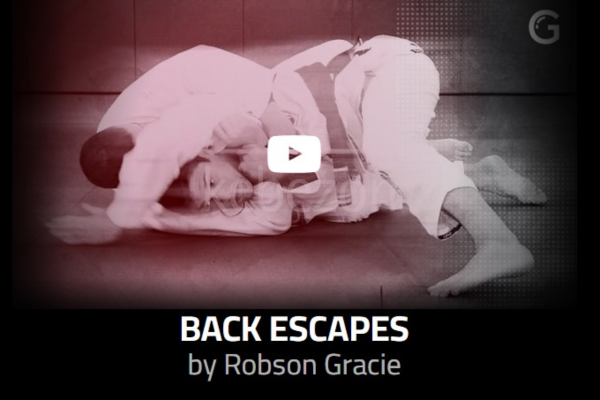 Back Escapes with Robson Gracie
1 × 6,00 $
Back Escapes with Robson Gracie
1 × 6,00 $ -
×
 Teaches Modern Middle Eastern Cooking with Yotam Ottolenghi - MasterClass
1 × 6,00 $
Teaches Modern Middle Eastern Cooking with Yotam Ottolenghi - MasterClass
1 × 6,00 $ -
×
 3-Day Dialectical Behavior Therapy Certification Training by Lane Pederson
1 × 31,00 $
3-Day Dialectical Behavior Therapy Certification Training by Lane Pederson
1 × 31,00 $ -
×
 Smart Forex Solutions College Program
1 × 5,00 $
Smart Forex Solutions College Program
1 × 5,00 $ -
×
 The Chad Mindset: Forge an Unbreakable Mental Framework with Jacked Aecus
1 × 5,00 $
The Chad Mindset: Forge an Unbreakable Mental Framework with Jacked Aecus
1 × 5,00 $ -
×
 Triple Cash E-Book with Amanda Craven
1 × 5,00 $
Triple Cash E-Book with Amanda Craven
1 × 5,00 $ -
×
 Client Acquisition Course with Chase Dimond
1 × 25,00 $
Client Acquisition Course with Chase Dimond
1 × 25,00 $ -
×
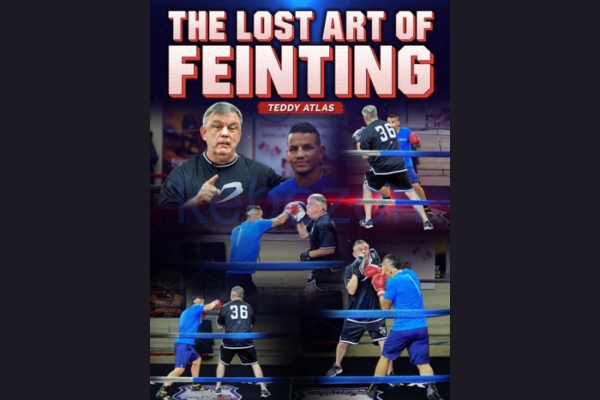 The Lost Art Of Feinting - Teddy Atlas
1 × 5,00 $
The Lost Art Of Feinting - Teddy Atlas
1 × 5,00 $ -
×
 Evolution of Man Program: How To Finally Get In Touch With Your True And Stunningly Powerful Male Sexuality - Sean Messenger
1 × 5,00 $
Evolution of Man Program: How To Finally Get In Touch With Your True And Stunningly Powerful Male Sexuality - Sean Messenger
1 × 5,00 $ -
×
 Body Blaster Challenge Circuit Bundle - GMB
1 × 5,00 $
Body Blaster Challenge Circuit Bundle - GMB
1 × 5,00 $ -
×
 Awaken the Power of Your Cellular Memory to Boost Intuition, Self-Healing & Manifestation By Marie Manuchehri - The Shift Network
1 × 78,00 $
Awaken the Power of Your Cellular Memory to Boost Intuition, Self-Healing & Manifestation By Marie Manuchehri - The Shift Network
1 × 78,00 $ -
×
 Shogun Method Black Book (DeluxeBundle) with Derek Rake
1 × 5,00 $
Shogun Method Black Book (DeluxeBundle) with Derek Rake
1 × 5,00 $ -
×
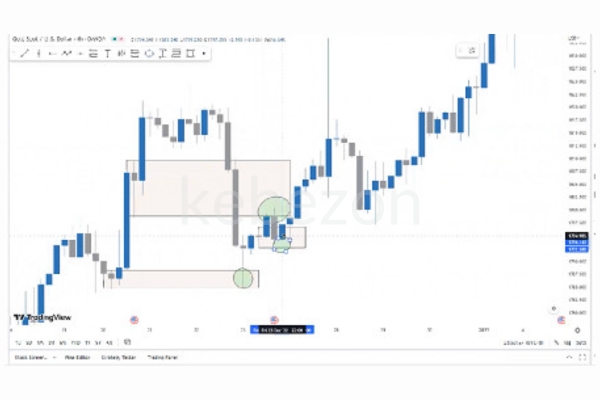 King Zulfan Academy – Course with Malaysian Trader
1 × 5,00 $
King Zulfan Academy – Course with Malaysian Trader
1 × 5,00 $ -
×
 The Unchained Man: The Alpha Male 2.0 with Caleb Jones
1 × 5,00 $
The Unchained Man: The Alpha Male 2.0 with Caleb Jones
1 × 5,00 $ -
×
 Perform Energy Clearings on Yourself & Other People - Jean Haner
1 × 39,00 $
Perform Energy Clearings on Yourself & Other People - Jean Haner
1 × 39,00 $ -
×
 Sixty Years of Challenge - More Numbers, Less Flakes
1 × 5,00 $
Sixty Years of Challenge - More Numbers, Less Flakes
1 × 5,00 $ -
×
 Passion Fuze Vol 2.0 FE
1 × 5,00 $
Passion Fuze Vol 2.0 FE
1 × 5,00 $ -
×
 AgencyLab.io – Agency Accelerator with Joel Kaplan
1 × 5,00 $
AgencyLab.io – Agency Accelerator with Joel Kaplan
1 × 5,00 $ -
×
 The Science of Energy: Resources and Power Explained with Michael Wysession
1 × 5,00 $
The Science of Energy: Resources and Power Explained with Michael Wysession
1 × 5,00 $ -
×
 Lifestyle with Bruno Fernandes
1 × 6,00 $
Lifestyle with Bruno Fernandes
1 × 6,00 $ -
×
 Fitness Nutrition 101 How to Lose Fat & Build Muscle
1 × 5,00 $
Fitness Nutrition 101 How to Lose Fat & Build Muscle
1 × 5,00 $ -
×
 Google Analytics 4 for beginners - Fred Pike
1 × 39,00 $
Google Analytics 4 for beginners - Fred Pike
1 × 39,00 $ -
×
 Side Control Attacks with Leonardo "Tunico"
1 × 6,00 $
Side Control Attacks with Leonardo "Tunico"
1 × 6,00 $ -
×
 True Authentic Reality Experience - Beast Mode
1 × 5,00 $
True Authentic Reality Experience - Beast Mode
1 × 5,00 $ -
×
 The Remarkable Science of Ancient Astronomy with Bradley Schaefer
1 × 5,00 $
The Remarkable Science of Ancient Astronomy with Bradley Schaefer
1 × 5,00 $ -
×
 Spirit Guidance & Sacred Sutras with Deborah King
1 × 31,00 $
Spirit Guidance & Sacred Sutras with Deborah King
1 × 31,00 $ -
×
 The Way of Aramaic Jesus with Neil Douglas-Klotz - The Shift Network
1 × 54,00 $
The Way of Aramaic Jesus with Neil Douglas-Klotz - The Shift Network
1 × 54,00 $ -
×
 The PDF Method™
1 × 5,00 $
The PDF Method™
1 × 5,00 $ -
×
 The Complete Finance & Valuation Course By Kenji Farre & Michael Quach
1 × 39,00 $
The Complete Finance & Valuation Course By Kenji Farre & Michael Quach
1 × 39,00 $ -
×
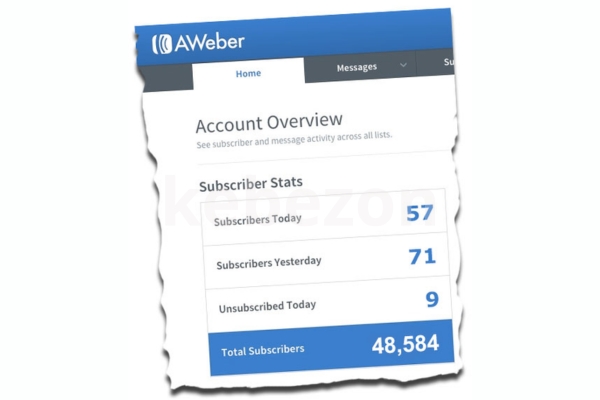 Email Marketing Masterclass with Mick Meaney
1 × 5,00 $
Email Marketing Masterclass with Mick Meaney
1 × 5,00 $ -
×
 Of Rocks and Flowers: Dealing with the Abuse of Children with Virginia Satir
1 × 8,00 $
Of Rocks and Flowers: Dealing with the Abuse of Children with Virginia Satir
1 × 8,00 $



Evidence-Based Treatment Planning for Generalized Anxiety Disorder with Timothy Bruce & Arthur Jongsma
Original price was: 49,00 $.8,00 $Current price is: 8,00 $.
Download Evidence-Based Treatment Planning for Generalized Anxiety Disorder with Timothy Bruce & Arthur Jongsma, check content proof here:
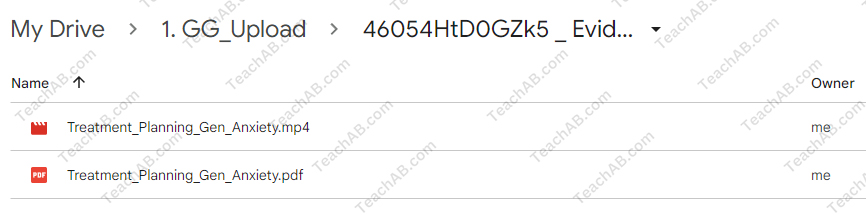
Planning Treatment for Generalized Anxiety Disorder Using Evidence
Millions of people worldwide suffer with generalized anxiety disorder (GAD), a widespread illness that presents as a persistent state of concern and anxiety. The complex realm of evidence-based treatment planning for GAD is thoroughly examined in this engrossing lecture by Drs. Timothy Bruce and Arthur Jongsma. In addition to outlining the DSM’s primary symptoms and diagnostic standards, this extensive resource explores the treatment planning process, which may greatly enhance therapeutic results. The roughly 70-minute film is a wealth of information for mental health professionals looking to improve their methods in this difficult field of work.
The physicians skillfully craft a narrative that covers both the clinical and theoretical facets of treating GAD throughout the presentation. They establish a fundamental knowledge of the GAD treatment landscape by including historical viewpoints on empirically supported therapies (ESTs) in North American and European contexts. This educational flare blends well with real-world clinical scenarios and practical insights to provide an engaging learning environment for both new and seasoned practitioners. They offer a rigorous framework that is both effective and adaptable to many clinical contexts, with the ultimate goal of improving treatment efficacy.
A Comprehensive Overview of Generalized Anxiety Disorder
Definitions and Symptoms of GAD
Excessive concern over a wide range of topics is often a hallmark of generalized anxiety disorder, which can have crippling effects on a person’s day-to-day functioning. The DSM-5 criteria list restlessness, exhaustion, trouble focusing, irritability, tense muscles, and irregular sleep as possible symptoms. These symptoms frequently throw a shadow over even the most basic pleasures, resembling an unrelenting storm cloud over a person’s daily life.
Diagnostic Criteria
The DSM outlines several core elements for diagnosing GAD, which include:
- Persistent and excessive anxiety occurring more days than not for at least six months.
- Difficulty in controlling the worry.
- The anxiety and worry are associated with three (or more) of the following symptoms:
- Restlessness or feeling keyed up.
- Being easily fatigued.
- Difficulty concentrating or mind going blank.
- Irritability.
- Muscle tension.
- Sleep disturbance (trouble falling or staying asleep, or restless sleep).
These criteria illustrate that GAD is not merely a fleeting feeling of anxiety; it transforms into a chronic condition that affects an individual’s ability to function effectively. The overarching importance of timely diagnosis is emphasized, as misconceptions often lead to delayed treatment and exacerbation of symptoms.
Obstacles in the Therapeutic Partnership
For therapists, navigating the complexities of GAD poses special difficulties. A therapist’s experience is sometimes likened to a sailor navigating heavy seas, trying to stay on course while navigating the client’s ongoing worry. Since clients often show increased resistance and cynicism regarding therapy, it becomes crucial to maintain a strong therapeutic connection. The therapeutic alliance is the cornerstone of successful therapy, as Drs. Bruce and Jongsma emphasize the significance of building empathy and trust.
Methods of Treatment Based on Evidence
Overview of Empirically Supported Treatments Throughout History
A long history of research aimed at creating successful therapies for GAD has led to the development of empirically supported treatments, or ESTs. The lecture claims that both the European and North American models have offered insightful viewpoints. For example, one important first-line treatment is cognitive behavioral therapy (CBT). A key component of evidence-based practice, cognitive behavioral therapy (CBT) has been shown to be effective in reducing symptoms of generalized anxiety disorder (GAD), according to research by Hofmann et al. (2012).
Furthermore, pharmaceutical interventions such selective serotonin reuptake inhibitors (SSRIs) have shown promise, especially for those without access to psychological therapy. To successfully incorporate these treatments into their practices, practitioners must be up to date on the most recent research.
A Six-Step Treatment Planning Process
Dr. Bruce and Dr. Jongsma have crafted an adaptable six-step treatment planning process that empowers mental health practitioners to design individualized interventions grounded in empirical evidence. This structured framework serves as a roadmap, guiding clinicians through comprehensive treatment planning:
- Assessment – Gather comprehensive data, assessing both psychological and physical parameters.
- Diagnosis – Utilize validated tools to confirm the GAD diagnosis based on DSM criteria.
- Goal Setting – Establish measurable and attainable treatment goals in collaboration with the client.
- Intervention Selection – Choose appropriate therapeutic modalities based on client needs and preferences.
- Implementation – Execute the treatment plan while continuously monitoring the therapeutic alliance.
- Evaluation – Regularly assess progress and make necessary adjustments to the treatment protocol.
By systematically applying this six-step process, clinicians can enhance the tailoring of interventions, making them more responsive to the unique needs of each client.
Real-World Examples of Interventions Illustrated
Live clinical vignettes showcasing certain therapies like cognitive restructuring and relaxation training are incorporated into the presentation. Theory and practice are crucially connected by these demonstrations. For instance, relaxation training gives customers a practical way to lessen acute anxiety symptoms; it’s sometimes compared to taking a deep breath of fresh air. Conversely, cognitive restructuring encourages clients to question illogical beliefs, which promotes a change to more practical and flexible thought processes.
Techniques for Preventing Relapses
Additionally, incorporating relapse prevention techniques gives therapists a comprehensive arsenal to assist clients during their therapeutic process. By assisting clients to identify possible triggers and create coping mechanisms, these tactics place an emphasis on taking a proactive approach.
Key relapse prevention techniques include:
- Cognitive Self-Monitoring: Fostering self-awareness around thought patterns.
- Scheduled Worry Times: Allocating specific times to address worries as a means to contain anxiety.
- Developing Coping Plans: Formulating actionable strategies for stress-inducing situations.
By instilling these techniques, therapists empower clients to navigate their mental health challenges with greater confidence.
Conclusion: The Path Ahead
Drs. Bruce and Jongsma’s observations provide a comforting basis for mental health professionals who want to improve their approaches to treating GAD. Their presentation offers an evidence-based framework that adjusts to the varied and nuanced nature of the therapeutic interaction while still meeting established parameters. It’s not easy to navigate the harsh seas of anxiety, but with the correct resources and knowledge, physicians may help their patients develop resilience and undergo significant change. For mental health practitioners committed to providing high-quality care based on the most recent research and clinical best practices, the information presented in this video serves as a ray of hope and direction as the path to successful treatment continues to change.
Frequently Asked Questions:
Business Model Innovation:
Embrace the concept of a legitimate business! Our strategy revolves around organizing group buys where participants collectively share the costs. The pooled funds are used to purchase popular courses, which we then offer to individuals with limited financial resources. While the authors of these courses might have concerns, our clients appreciate the affordability and accessibility we provide.
The Legal Landscape:
The legality of our activities is a gray area. Although we don’t have explicit permission from the course authors to resell the material, there’s a technical nuance involved. The course authors did not outline specific restrictions on resale when the courses were purchased. This legal nuance presents both an opportunity for us and a benefit for those seeking affordable access.
Quality Assurance: Addressing the Core Issue
When it comes to quality, purchasing a course directly from the sale page ensures that all materials and resources are identical to those obtained through traditional channels.
However, we set ourselves apart by offering more than just personal research and resale. It’s important to understand that we are not the official providers of these courses, which means that certain premium services are not included in our offering:
- There are no scheduled coaching calls or sessions with the author.
- Access to the author’s private Facebook group or web portal is not available.
- Membership in the author’s private forum is not included.
- There is no direct email support from the author or their team.
We operate independently with the aim of making courses more affordable by excluding the additional services offered through official channels. We greatly appreciate your understanding of our unique approach.
Be the first to review “Evidence-Based Treatment Planning for Generalized Anxiety Disorder with Timothy Bruce & Arthur Jongsma”
You must be logged in to post a review.
Related products

Original price was: 1.100,00 $.241,00 $Current price is: 241,00 $.

Psychology
IFS & The Treatment of Addictions: Biology, Healing and Habits with Frank Anderson – PESI
Original price was: 59,00 $.15,00 $Current price is: 15,00 $.
Original price was: 39,00 $.8,00 $Current price is: 8,00 $.



Psychology
Original price was: 25,00 $.8,00 $Current price is: 8,00 $.

Original price was: 25,00 $.8,00 $Current price is: 8,00 $.
Reviews
There are no reviews yet.